
Reviewed · SEVEN LAKES TOURS
Seven Lakes Tajikistan Private Excursion From Samarkand
Seven lakes, one long day. This private trip from Samarkand takes you across the Uzbek border into Tajikistan’s Khaftkul Valley, where mountain roads lead to seven changing-colored lakes, remote villages, and wide Fann Mountain views. I like the private transport and the chance to visit a place that is difficult to reach without local help. I also like that an English-speaking Tajik guide and lunch arrangements are available.
The main catch is the road. Much of the route is unpaved, rough, and vulnerable to rain, and border delays can eat into your sightseeing time. You should also confirm your Tajikistan visa and Uzbek re-entry rights before booking.
In This Review
- Key points to know before booking
- Why Seven Lakes makes a worthwhile border trip
- The border crossing from Samarkand to Tajikistan
- Nezhigon and Soya, the first two lakes
- Gushor and Nofin, where the valley narrows
- Khurdak and Marguzor, the visual high points
- Hazorchashma, the highest lake
- The road is part of the adventure, and part of the risk
- Lunch, guides, and the real price
- Who will enjoy this day most
- Practical ways to improve your chances of seeing all seven
- Should you book the Seven Lakes trip?
- FAQ
- How long does the Seven Lakes excursion take?
- Where does the tour start?
- Does the tour return to Samarkand?
- Do I need a Tajikistan visa?
- What do I need to re-enter Uzbekistan?
- Is lunch included in the $145 price?
- Is transportation private?
- Is an English-speaking guide included?
- Will I definitely see all seven lakes?
- Is the road paved?
- Is the tour suitable for young children?
- Can I cancel for a full refund?
Key points to know before booking
- The tour crosses two borders: You leave Uzbekistan at Jartepa, meet a Tajik guide and driver, then return through the same border area.
- All seven lakes may not be possible: Road conditions, border delays, and daylight can force a shorter visit without a refund.
- The road is rough: Expect a mountain route with unpaved sections and bumpy riding rather than a smooth coach trip.
- The private format has real value: Only your group participates, so you can discuss an earlier departure or adjust photo stops when time allows.
- The total cost is higher than the headline price: Add the $30 Tajikistan visa and about $15 to $20 for picnic lunch.
- November daylight matters: Sunset was around 5:20 PM in one November trip, so an early start is a smart request.
Why Seven Lakes makes a worthwhile border trip
Samarkand is packed with grand buildings and Silk Road history. Seven Lakes gives you something very different: a full day in a remote mountain valley across the border in Tajikistan.
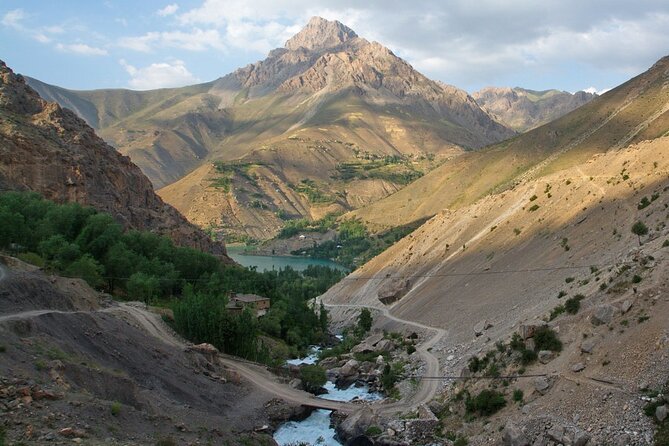
The Khaftkul Valley, also called the Seven Lakes Valley, follows a chain of water in the Fann Mountains. Each lake has its own name, shape, height, and mood. Some are tucked beneath cliffs. Others open into broad mountain views. The water can shift color with changing weather and light, so the same lake may look different when you return along the valley.
I like this trip because it is not simply a scenic drive to one viewpoint. You move through villages, streams, narrow mountain roads, and a series of lakes that gradually rise into higher country. It feels like a real excursion into rural Tajikistan, not a polished attraction built for quick photographs.
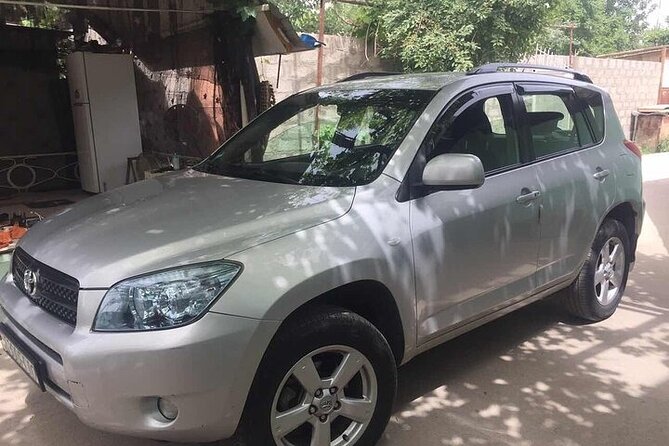
The private arrangement also matters. You are not tied to a large bus group, and your guide can explain local names, geography, and customs along the way. Guides Dawood and driver Masoor have been singled out for being helpful and informative, though the specific staff assigned to your departure may differ.
More Seven Lakes trips from Samarkand:
- Full Day Private Tour in Seven Lakes from Samarkand
★ 5.0 · 94 reviews - Tour From Samarkand To Tajikistan: Seven Lakes
★ 5.0 · 34 reviews - Seven Lakes of Tajikistan Full Package Excursion from Samarkand
★ 5.0 · 26 reviews
The border crossing from Samarkand to Tajikistan
Pickup is arranged from your Samarkand hotel, with the listed meeting point at the Amir Temur Mausoleum, also known as the Gur-i Amir Complex. The Uzbek driver takes you to the border. After you pass out of Uzbekistan, a Tajik guide and driver meet you on the other side.
This handoff is practical and logical. A Tajik driver knows the mountain road, while the Uzbek driver handles the Samarkand side. It does add time and a little uncertainty, since you are dealing with two immigration controls and two vehicles in one day.
Bring the documents needed for both countries. You need an online Tajikistan visa, listed at $30 per person, and you should apply at least seven days before departure. You also need a multiple-entry Uzbekistan visa or a visa waiver that allows you to re-enter Uzbekistan. A single-entry Uzbek visa is not enough for this trip.
Border formalities can be quick or slow. The tour’s stated duration is about 10 to 12 hours, but that is a tight schedule for two border crossings and a mountain valley. Build your day around flexibility rather than expecting a perfectly timed return.
Nezhigon and Soya, the first two lakes
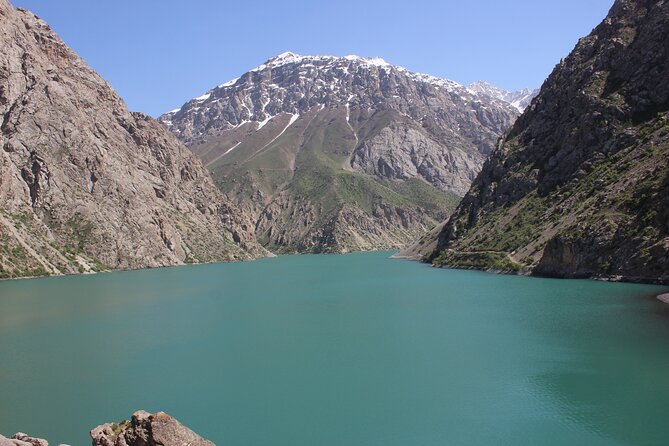
The first lake is Nezhigon, the lowest of the seven, at about 1,640 meters. Its water may change color with the weather and time of day. That gives you an early taste of what makes this valley special: the lakes are not identical blue ponds lined up for inspection. Their appearance changes with shadow, sun, and clouds.
The second lake is Soya, whose name means shadow in Tajik. High cliffs surround it, leaving much of the water in shade for most of the day. This makes Soya feel cooler and darker than Nezhigon, and it can be a strong place for photographs when the cliffs and water catch a little light.
The planned stops at these lakes are long enough for photographs and a short walk, but the exact amount of time depends on the road and border crossing. If you arrive late, these early stops may be shortened to protect the return schedule.
Gushor and Nofin, where the valley narrows
Gushor is about 400 meters from Soya. A lively stream connects the two lakes, and you can see the water rushing between them as you approach. The name is linked with the idea of being watchful, fitting for a lake framed by steep cliffs.
The listed visit is about 45 minutes. That is enough for a look around, but it is not a long hike. The tour is primarily a vehicle-based mountain excursion, with short walks and photo stops rather than a strenuous trek between all seven lakes.
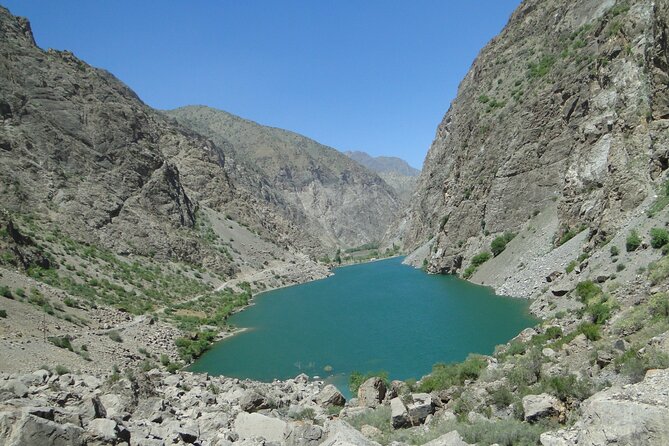
Nofin is the fourth lake and one of the most distinctive. It stretches for more than 2.5 kilometers but is only about 200 meters wide. Its name means umbilical cord, and it is considered the central lake in the chain.
Nofin gives you a better sense of the valley’s scale. Instead of a compact pool, you see water extending through a narrow mountain corridor. The road is rough here, and the ride can be tiring, but the long shape of the lake makes this one of the more memorable stops.
A few more Samarkand trips worth weighing up
- Samarkand: Historical Monuments Guided Walking Tour
★ 4.8 · 446 reviews - Samarkand: Historical City Highlights Guided Walking Tour
★ 4.8 · 153 reviews - Private Samarkand City Tour With Transportation
★ 5.0 · 149 reviews - A City Tour Of Samarkand: The Pearl Of The East
★ 5.0 · 133 reviews
Khurdak and Marguzor, the visual high points
Khurdak means baby and is the smallest of the seven lakes. The road from Nofin to Khurdak covers about 1.5 kilometers and passes the village of Padrut.
This section gives you a glimpse of life in the valley rather than scenery alone. Villages, mountain roads, and the connection between settlements and water are part of the appeal. You are not simply looking at untouched nature from a paved overlook.
The sixth lake, Marguzor, is the largest and, for many people, the most beautiful. Blue water spreads beneath high mountains, creating the broadest and most dramatic view of the day. This is the place where a fully charged phone or camera matters most.
Marguzor is also associated with primitive petroglyphs. The supplied tour details do not specify their exact location or condition, so ask your guide to point them out and explain what you are seeing. The combination of water, mountains, and ancient markings gives this stop more substance than a quick photo break.
The planned stop is about 50 minutes. That may feel short if the weather is clear and you want to walk, photograph the water, and inspect the petroglyphs. Keep an eye on the guide’s timing. A delay here can make the highest lake impossible later in the day.
Hazorchashma, the highest lake
Hazorchashma, also called Azorchashma, is the seventh and highest lake, at roughly 2,400 meters. Its name means thousand springs, because springs feed the lake.
This final stop is the most vulnerable to time and road conditions. Reaching it requires continuing higher on the rough mountain route, and daylight can disappear quickly in the colder months. One four-star account described a very good day but missed the seventh lake because of time limits and the bumpy road.
The tour company openly warns that all seven lakes may be curtailed if the border crossing or road conditions take too long. There is no refund if the full sequence cannot be completed. That policy is important. You are paying for access and a planned attempt at all seven, not an absolute guarantee that every lake will be reached.
If seeing Hazorchashma is essential, request the earliest practical departure. In November, sunset can come around 5:20 PM. An early start improves your chances, though it cannot remove border delays or weather problems.
The road is part of the adventure, and part of the risk
The mountain road is not asphalted. Expect gravel, mud patches after rain, and a very bumpy ride. The route can be hard on your back and uncomfortable for anyone who dislikes steep or uneven roads.
This is also where the tour’s most serious criticism comes from. A vehicle was described as unsuitable for wet mountain conditions, with rainfall producing mud patches and delays high in the valley. The operator disputed that account and said road closures and weather had affected the schedule. The practical lesson is simple: ask what type of vehicle will be used, ask about recent road conditions, and understand that the driver may stop rather than risk getting stuck.
Do not treat the 10 to 12 hour estimate as a promise of a relaxed day. The published route includes long drives back to the border and Samarkand, including about two hours from the valley to the Tajik border and another hour after Uzbek immigration. In practice, the day can feel longer when the road is rough or the border is busy.
The tour requires moderate physical fitness. You do not need to be a serious hiker based on the supplied details, but you should manage uneven ground, high-altitude stops, and a long day in a vehicle. Children younger than six are not recommended.
Lunch, guides, and the real price
The advertised price is $145 per person. That is a reasonable starting point for private transportation, an English-speaking Tajik guide, and a difficult cross-border route, but it is not the full budget.
Add these known costs:
- Tajikistan online visa: $30 per person
- Picnic lunch: about $15 to $20 per person
- Tips for the guide and driver: not included
- German or French-speaking licensed guide: $40 per group, if required
That puts the basic known total at about $190 to $195 per person before tips. Lunch is paid locally, and the exact arrangement should be confirmed before departure. Several strong accounts praised the lunch as part of a well-run day, but the included details only promise a picnic arrangement, not a specific menu.
The private format improves the value if you are traveling with family or friends. The price is per person, but the vehicle and guide are for your group alone. Group discounts are available, so ask for the current rate when more people are traveling together.
Who will enjoy this day most
I would choose this tour if you have already allowed enough time for Samarkand and want a major change of scenery. It suits people who enjoy remote places, border crossings, mountain roads, and imperfect but memorable travel days.
It is a good fit for photographers, geography fans, and anyone curious about rural Tajikistan. You get seven named lakes, villages such as Padrut, steep cliffs, mountain streams, and the chance to hear local explanations from a Tajik guide.
I would hesitate if you need a smooth road, fixed arrival time, or guaranteed access to every stop. The route depends on weather, border procedures, road conditions, and daylight. Older visitors and anyone with mobility concerns should ask detailed questions about vehicle access and walking surfaces before paying.
The trip is private, but private does not mean luxurious. You gain control over the group, not a paved road or a short drive.
Practical ways to improve your chances of seeing all seven
Ask for an early departure, especially from October through winter, when daylight is limited. One November departure began early for exactly this reason.
Apply for the Tajik visa at least seven days ahead. Then check that your Uzbek visa or visa waiver permits re-entry. This is the most important paperwork point of the day.
Pack for changing mountain weather. The supplied details do not provide a recommended clothing list, but rain is known to affect the road, and the highest lake reaches about 2,400 meters. Bring a charged phone, camera power bank, water, and shoes suitable for uneven ground.
Keep your schedule after the tour open. The return includes Tajik and Uzbek border procedures, followed by the drive back to Samarkand. A late return is possible if the road or border takes longer than expected.
The cancellation terms are generous if your plans change early. You can receive a full refund if you cancel at least 24 hours before the start time. Changes or cancellations inside that window are not accepted for a refund.
Should you book the Seven Lakes trip?
Book it if you want a genuine mountain outing and accept that the day may be rough around the edges. The scenery is the clear reward: seven lakes with different shapes and settings, the Fann Mountains, remote villages, and a cross-border journey that feels far removed from Samarkand’s monuments.
I would book this as a private group, request the earliest departure, confirm the vehicle, and budget at least $190 to $195 per person before tips. I would also ask the operator to explain the current road condition and the plan if weather prevents access to Hazorchashma.
Skip it if your visa situation is uncertain, if you cannot tolerate a bumpy unpaved road, or if missing one lake would ruin the day. For the right person, though, this is one of the most memorable add-on journeys from Samarkand, precisely because it is remote, demanding, and not overly polished.
FAQ
How long does the Seven Lakes excursion take?
The stated duration is approximately 10 to 12 hours, including pickup from Samarkand, border crossings, the drive through Khaftkul Valley, and the return to Samarkand.
Where does the tour start?
Pickup is offered from your Samarkand hotel. The listed meeting point is the Amir Temur Mausoleum, or Gur-i Amir Complex, at Oqsaroy 1, Bustonsaroy Street 1/4.
Does the tour return to Samarkand?
Yes. The activity ends back at the starting point after you cross into Uzbekistan and drive back from the border.
Do I need a Tajikistan visa?
Yes, the tour information states that you need an online Tajikistan visa. It costs $30 per person and should be requested at least seven days before the tour.
What do I need to re-enter Uzbekistan?
You need a multiple-entry Uzbekistan visa or a visa waiver that allows you to re-enter Uzbekistan after visiting Tajikistan.
Is lunch included in the $145 price?
No. A picnic lunch is available for about $15 to $20 per person and is paid on the spot.
Is transportation private?
Yes. The tour provides private transportation, and only your own group participates.
Is an English-speaking guide included?
Yes. An English-speaking guide in Tajikistan is included. A German or French-speaking licensed guide costs an additional $40 per group.
Will I definitely see all seven lakes?
No. Border delays and mountain road conditions can shorten the visit. The tour information states that there is no refund if all seven lakes cannot be reached.
Is the road paved?
No. The route includes unpaved mountain roads and can be very bumpy. Rain may create muddy sections and affect access.
Is the tour suitable for young children?
The tour is not recommended for children younger than six. Participants should have a moderate level of physical fitness.
Can I cancel for a full refund?
Yes, if you cancel at least 24 hours before the experience start time. Cancellations or changes made less than 24 hours before departure are not refunded.
Recently added around Samarkand
- Bird Watching Tours in Samarkand★ 3.6 · 3 reviews
- Penjikent Day Trip From Samarkand★ 5.0 · 3 reviews
- Samarkand: city tour★ 4.7 · 3 reviews
- Samarkand Capital of Amir Timur Private Tour with Transport★ 5.0 · 3 reviews
- Seven Lakes Panjakent: One-Day Adventure from Samarkand★ 5.0 · 3 reviews
- Ancient and Modern tour in Samarkand with Transport★ 5.0 · 3 reviews
- Samarkand: Cooking class with local family★ 5.0 · 3 reviews
- Amankutan Trek One Day Tour From Samarkand★ 3.9 · 3 reviews
Seven Lakes Tours, compared.
Tajikistan : Exclusive Seven Lakes Day Tour From Samarkand
Read our review →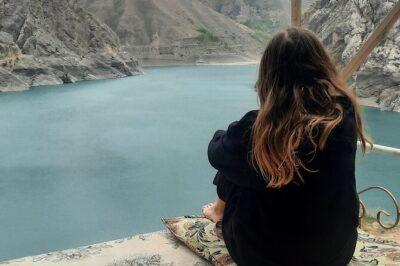
Full Day Private Tour in Seven Lakes from Samarkand
Read our review →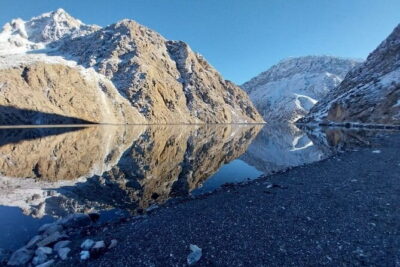
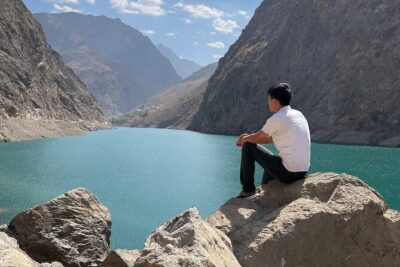
Seven Lakes of Tajikistan Full Package Excursion from Samarkand
Read our review →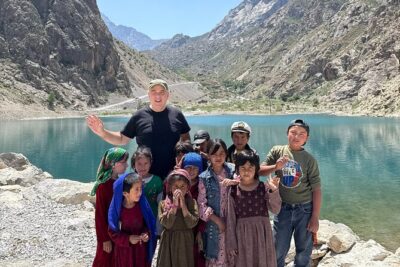
Seven Lakes Tajikistan: All-Inclusive Private Day Tour
Read our review →All-inclusive Daytrip to Seven Lakes and Panjakent from Samarkand
Read our review →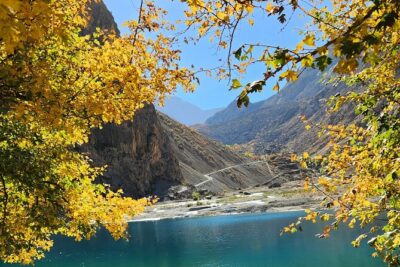
Day Tour from Samarkand Explore Panjakent and Seven Lakes
Read our review →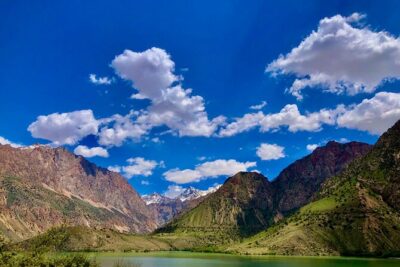
Browse the lists this tour appears in