
Reviewed · COOKING CLASSES
Samarkand: Cooking class with local family
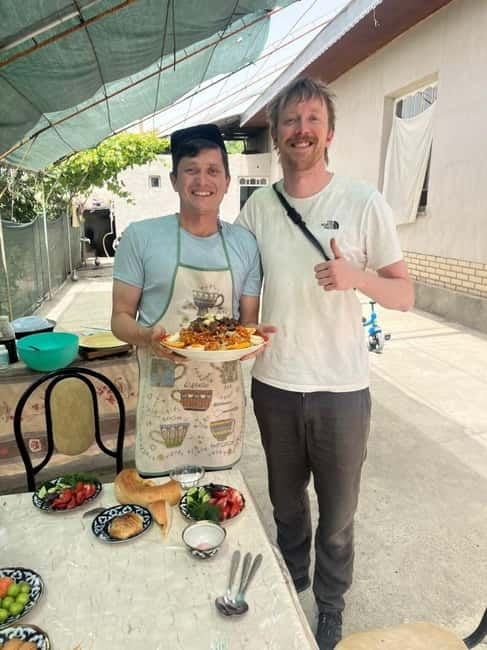
Samarkand tastes better at a family table. This five-hour outing pairs a local bazaar visit with hands-on cooking in a private home, giving you a close look at everyday Uzbek customs. I like the personal setting, and I like that lunch is part of the experience rather than an afterthought. The main consideration is that the day is more about conversation and participation than polished sightseeing.
The $65 price feels fair if you value direct contact with local people, private transport, a guide, lunch, and several cultural stops. Navruz and Guli are especially good names to know: Navruz brings historical and cultural context, while Guli has taken care to explain each cooking step clearly. Just remember to dress modestly, since short skirts, tight clothing, and alcohol are not allowed.
In This Review
- Key points at a glance
- Why this Samarkand cooking class feels different
- Starting at a local Samarkand bazaar
- Cooking plov, shashlik, and samsa from scratch
- Sharing lunch with the family
- Konigil paper making and traditional crafts
- Guide languages and the benefit of a private group
- Is $65 a fair price for five hours?
- Dress rules and practical expectations
- Who will enjoy this Samarkand experience most?
- Should you book it?
- FAQ
- How long does the cooking experience last?
- What is the price per person?
- Is lunch included?
- Which foods will I prepare?
- Does the experience include a bazaar visit?
- Will I cook in a local family home?
- Is transportation provided?
- Which guide languages are available?
- Is this a private tour?
- What should I avoid wearing or bringing?
Key points at a glance
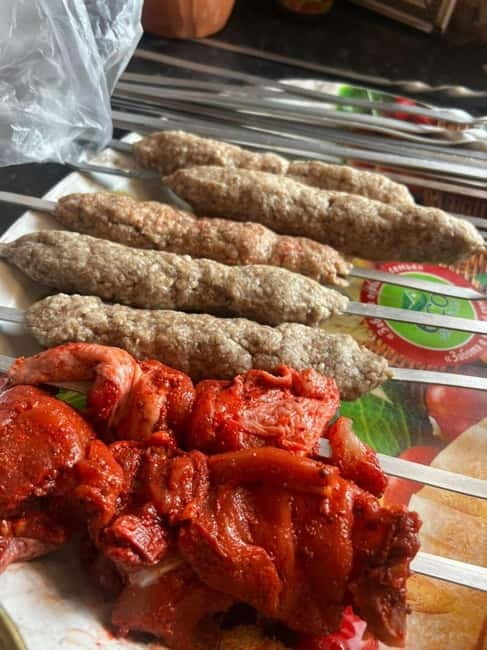
- A family kitchen, not a demonstration stage: You help prepare Uzbek food from scratch with local family members.
- Bazaar shopping adds context: You see where ingredients and daily goods fit into ordinary life before cooking them.
- Three classic dishes are on the menu: Plov, shashlik, and samsa introduce different methods and flavors.
- Navruz and Guli add a personal touch: Navruz shares Uzbek history and customs, while Guli focuses on clear instruction.
- The outing includes more than food: Konigil paper making, oil meal, pottery, and in some itineraries a hand-made rug workshop add craft and rural culture.
- Private touring keeps the pace flexible: Your group does not have to follow strangers through a crowded cooking lesson.
Why this Samarkand cooking class feels different
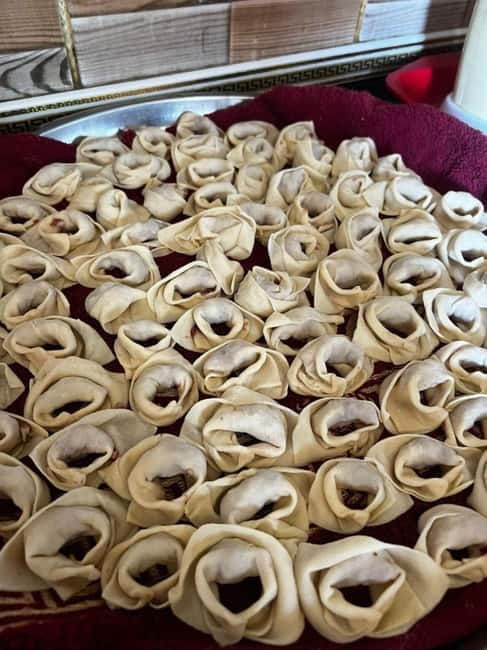
Samarkand has grand monuments, blue tile, and Silk Road associations by the cartload. Those sights matter, but they do not tell you how lunch is prepared, how a family spends time together, or how food connects to custom.
This experience shifts the focus from monuments to people. You begin at a local bazaar, then move into a family home to cook and eat together. That change of setting is the real appeal. You get a look at the ingredients before they reach the kitchen, then see how they become familiar Uzbek dishes.
I especially like the family setting because it removes some of the distance found in a standard cooking demonstration. You are not only watching someone make plov. You are rolling up your sleeves, asking questions, and taking part in a shared meal. There may also be time for stories, laughter, and a game of chess.
The tone is informal. That is good news if you want a human encounter rather than a highly polished culinary show. It also means you should arrive ready for a little give and take. Conversation, translation, and cooking speed may shape the day as much as the printed schedule.
More Cooking Classes in Samarkand
- Samarkand: Village Tour with Plov Cooking Class & Home Visit
★ 5.0 · 29 reviews - Samarkand: Uzbek Cooking Class in a Village Home
★ 5.0 · 22 reviews - Cooking class in Samarkand with local life experience
★ 5.0 · 19 reviews
Starting at a local Samarkand bazaar
The bazaar is the right first stop. Before you cook, you see the food culture in its natural setting. Stalls offer a busy mix of goods, and you can watch vendors and shoppers handle the ordinary business of buying and selling.
You are encouraged to look closely and speak with vendors. That makes the market more than a quick photo stop. It gives you a chance to notice the ingredients and products that support Uzbek meals, then recognize their role later in the family kitchen.
A bazaar visit also helps you understand the scale of daily life in Samarkand. Tourist areas can make a city feel like a collection of monuments. A local market brings you back to practical matters: food, household purchases, conversation, and routine.
I would keep your expectations realistic. The bazaar is not presented as a formal food tour with a long list of tastings or expert vendor talks. Its value lies in the setting and the chance to watch local life. If you enjoy people-watching and unhurried observation, this part may become one of the most useful hours of the outing.
Wear comfortable clothes and bring a curious attitude. You will get more from the market if you pause, look around, and ask your guide to explain what you are seeing.
Cooking plov, shashlik, and samsa from scratch
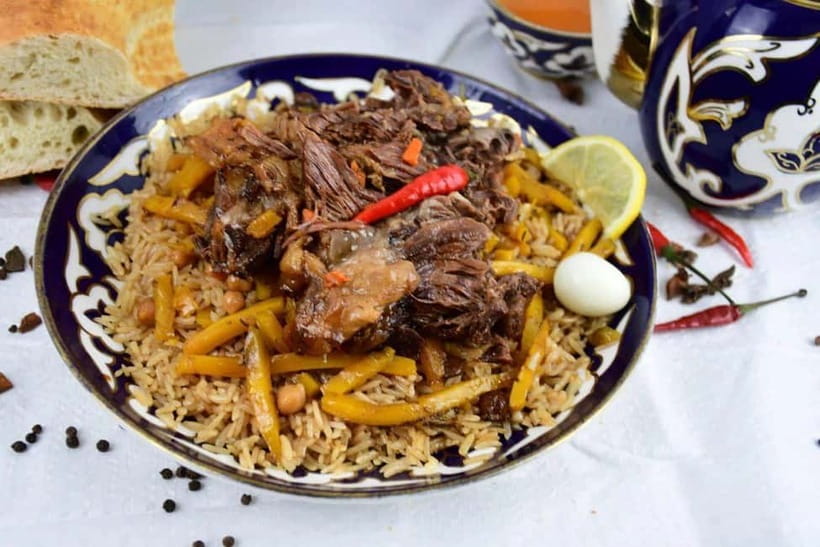
The central part of the experience takes place at the family home. You help prepare three well-known Uzbek foods: plov, shashlik, and samsa.
Plov is the dish most closely tied to the idea of Uzbek hospitality. It is a rice pilaf, and making it gives you a practical look at how a shared meal comes together. Shashlik brings grilled meat into the lesson, while samsa introduces savory pastries. Together, these dishes show that Uzbek cooking is not one-note. You work with rice, meat, pastry, and different cooking methods.
The wording from the experience makes clear that you cook from scratch. That matters. You are not simply handed a plate and told a few facts about it. You take part in the preparation and gain a better sense of the work behind a meal served to family and friends.
Guli has received particular praise for making sure each step is understood. That is important in a cooking class, especially when the dishes and techniques are new to you. If you do not understand something, ask early. A private group makes that easier because the guide can give attention to your questions rather than dividing time among a large crowd.
This is also a good choice if people in your group have different levels of kitchen experience. The point is not to prove your knife skills. The point is to work alongside the family and learn how the food fits into local customs.
Do not expect a restaurant-style kitchen lesson with a printed recipe book unless that is specifically confirmed when you book. The available details focus on preparing and eating together, not on formal take-home materials. If recipes are important to you, ask about them before the day begins.
Sharing lunch with the family
Lunch is included, and it comes after the work of cooking. That simple sequence gives the meal more meaning. You have seen the ingredients at the bazaar, helped prepare the dishes, and then sit down to eat what the group made.
The family interaction is one of the strongest reasons to choose this outing. Navruz welcomes you into his home with his wife and parents, creating a multigenerational setting rather than a guide-only experience. That can give you a wider view of household customs and family life.
Navruz also shares information about Uzbek history and traditions. The cultural talk is not separated from the meal. It comes naturally while you cook, sit together, and ask questions. I find that format easier to remember than a long lecture delivered in front of a monument.
The family may share stories and laughter, and chess can be part of the time together. These small moments matter because they let you interact without rushing from one sight to the next. You should be comfortable with an experience that values hospitality and conversation as much as sightseeing.
Lunch includes bottled water, and the tour provides an air-conditioned vehicle. Those are practical benefits in a five-hour outing, particularly when the day combines outdoor market time with visits between locations.
More Workshops in Samarkand
- Private Samarkand Cooking Class with Market Tour & Transfers
★ 5.0 · 14 reviews - Cooking Class in the Village with Local Family in Samarkand
★ 5.0 · 11 reviews - Plov Cooking Class at Local Uzbek House
★ 5.0 · 5 reviews - Samarkand Local Family Cooking Class and Siyob Bazaar Tour
★ 5.0 · 5 reviews
Konigil paper making and traditional crafts
The day does not end at the dining table. The program also includes Konigil paper factory, an oil meal stop, and a pottery workshop. These visits broaden the outing beyond cooking and show how traditional skills remain part of the Samarkand area.
Konigil is especially appealing because paper making connects local craft to the wider Silk Road story. You can see a material being produced by hand rather than only hearing about old trade routes in a museum. The activity gives the historical setting a physical, practical side.
The oil meal visit adds another look at local production. The available details do not describe the exact format of that stop, so I would treat it as a short cultural visit rather than expect a full workshop unless your guide confirms otherwise.
The pottery workshop offers a different kind of craft experience. Cooking and pottery work well together because both involve material, method, and patience. You may find the workshop most interesting if you enjoy seeing how household objects are made, not just buying finished souvenirs.
One itinerary has also included a famous rug-making place where every rug was made by hand. That stop is worth asking about when you reserve, since the listed cultural visits include paper, oil meal, and pottery, while the rug workshop has appeared as an additional part of the day. Do not assume every group receives the exact same craft sequence.
Guide languages and the benefit of a private group
The experience is available with a live guide in English, Korean, Russian, Uzbek, or Tajik. That range is useful for mixed groups and for travelers who want more than basic directions.
Navruz appears to be the main cultural host, while Guli has also led the cooking portion and focused on clear explanations. Since guides may vary, you can ask at booking which person will accompany your group and which language will be used.
The private-group format is a real advantage here. In a large class, a family interaction can become a performance for a crowd. With a private group, you have more room to ask about family routines, food, customs, and history.
A private setting can also make the day more comfortable for families or friends who want to cook at their own speed. The tradeoff is that the experience depends on the chemistry between your group, guide, and hosts. Bring questions and take part rather than waiting for a constant stream of entertainment.
Is $65 a fair price for five hours?
At $65 per person, this is not the cheapest way to get lunch in Samarkand. It is also not simply a meal. The price covers five hours, an air-conditioned vehicle, bottled water, lunch, a live guide, a bazaar visit, home cooking, and cultural workshops.
I consider that solid value if you want a private experience with real local contact. You are paying for access to a family setting, not only for the food on your plate. The included transport also saves you from arranging separate rides between the market, home, and craft stops.
The value is weaker if you mainly want a short cooking lesson or a standard sightseeing tour. Five hours is a large block of your day, and the family conversation may take as much time as the food preparation. That is precisely the appeal for some people, but it can feel slow if you prefer a tightly timed itinerary.
Free cancellation up to 24 hours before the activity gives you useful flexibility, and you can reserve now and pay later. Starting times depend on availability, so check the schedule before planning other Samarkand visits around it.
Dress rules and practical expectations
The dress code reflects the home setting and local customs. Short skirts and tight clothing are not allowed, so choose loose, modest clothes. Nudity is prohibited, and alcohol and drugs are not permitted.
Alcoholic drinks are also not allowed in the vehicle, and red wine is specifically listed among the prohibited items. The simplest approach is to treat this as a family and cultural visit, not a food-and-drink outing.
The five-hour length is manageable, but you should leave room in your day. Market browsing, cooking, lunch, and craft visits all take time, and the experience is not designed as a quick stop between major monuments.
If you have food restrictions, ask before booking. The listed dishes include rice pilaf, grilled meat, and savory pastries, but no allergy, vegetarian, or religious-diet arrangements are specified. The same applies to accessibility details, which are not provided.
Who will enjoy this Samarkand experience most?
I would recommend this outing to you if you want to:
- Learn through direct participation rather than only sightseeing
- Cook Uzbek dishes in a family home
- Meet several generations of a local household
- Visit a market and traditional craft sites
- Travel in a private group
- Ask questions in English, Korean, Russian, Uzbek, or Tajik
- Build a better understanding of Uzbek customs through food
It suits couples, families, friends, and solo visitors who are comfortable joining a private household setting. It may also work well for first-time visitors who want a human introduction to Samarkand before spending more time at its monuments.
I would hesitate to recommend it if you dislike home visits, prefer a strict schedule, or want a serious professional culinary course. The attraction is warmth, participation, and cultural contact. It is not a formal cooking school.
Should you book it?
Book this experience if your best Samarkand memories usually come from meals, conversations, and ordinary places rather than grand sights alone. The strongest features are the family welcome, hands-on preparation, and the clear personal attention associated with Guli and Navruz.
The $65 cost is easiest to justify when you use the whole five hours and take interest in the bazaar and craft visits as well as the food. Ask which guide will lead your group, confirm the exact workshop stops, and mention any dietary needs in advance.
If that sounds like your kind of day, this is a thoughtful way to meet Samarkand away from the monument circuit. If you want speed, formality, or a recipe-focused class, spend your money elsewhere.
FAQ
How long does the cooking experience last?
The full experience lasts five hours.
What is the price per person?
The price is $65 per person.
Is lunch included?
Yes. Lunch is included in the experience.
Which foods will I prepare?
You can expect to prepare plov, shashlik, and samsa.
Does the experience include a bazaar visit?
Yes. The day begins with time at a local bazaar.
Will I cook in a local family home?
Yes. The cooking takes place with a local family in their home.
Is transportation provided?
Yes. An air-conditioned vehicle is included.
Which guide languages are available?
Guiding is available in English, Korean, Russian, Uzbek, and Tajik.
Is this a private tour?
Yes. The experience is for a private group.
What should I avoid wearing or bringing?
Short skirts, tight clothing, alcohol, red wine, alcohol in the vehicle, drugs, and nudity are not allowed.
Recently added around Samarkand
- Bird Watching Tours in Samarkand★ 3.6 · 3 reviews
- Penjikent Day Trip From Samarkand★ 5.0 · 3 reviews
- Samarkand: city tour★ 4.7 · 3 reviews
- Samarkand Capital of Amir Timur Private Tour with Transport★ 5.0 · 3 reviews
- Seven Lakes Panjakent: One-Day Adventure from Samarkand★ 5.0 · 3 reviews
- Ancient and Modern tour in Samarkand with Transport★ 5.0 · 3 reviews
- Amankutan Trek One Day Tour From Samarkand★ 3.9 · 3 reviews
- Explore Samarkand Guided Tour with Transfers★ 5.0 · 3 reviews
Cooking Classes, compared.
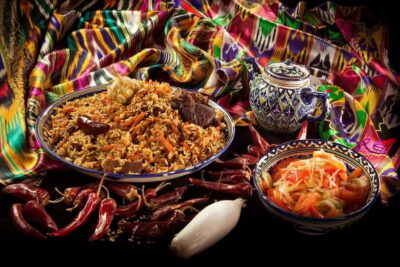
Village Tour with Plov Cooking Class & Home Visit
Read our review →Master Class – Shivit Osh Traditional Food Of Khiva
Read our review →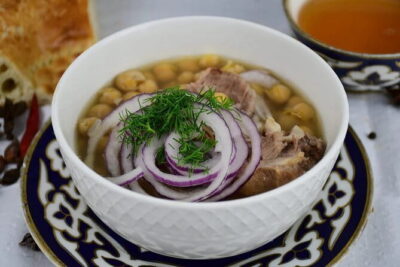
Cooking class in Samarkand with local life experience
Read our review →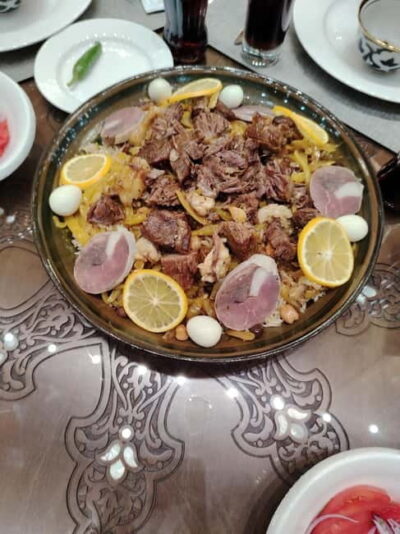
cooking traditional food in Samarkand with local people
Read our review →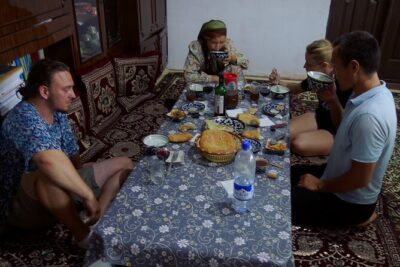
Private Samarkand Cooking Class with Market Tour & Transfers
Read our review →
Cooking Class in the Village with Local Family in Samarkand
Read our review →
Browse the lists this tour appears in