
Reviewed · COOKING CLASSES
Samarkand: Uzbek Cooking Class in a Village Home
Come hungry, leave with a new skill. This 5.5-hour village cooking class takes you about an hour from Samarkand, where Bekjon and his family show you how plov is made over a wood fire in a traditional home. I like the hands-on cooking and the chance to share the finished meal with a local family. I also like that the day includes garden time, animals, tea, and a look at ordinary village life, not just a staged kitchen lesson.
The main drawback is the meat-focused menu. Vegetarians, vegans, and people with food allergies should check the arrangements carefully before booking. The pace is relaxed, but the cooking and drive make this a half-day outing, so it needs a real block in your Samarkand plans.
In This Review
- The best parts at a glance
- Why this class is worth leaving Samarkand for
- Pickup with Bekjon and the ride into the countryside
- Entering a clay-brick home near Samarkand
- Learning plov in the qozon
- Rolling and shaping mantu
- Tea, animals, and the value of unplanned time
- What the $52 price really buys you
- Who will enjoy this most
- Practical tips for a smoother day
- Should you book the village cooking class?
- FAQ
- How far is the village from Samarkand?
- How long does the full experience last?
- What dishes will I learn to make?
- Is transportation included?
- Is the cooking class offered in English?
- Are vegetarian options available?
- What should I bring?
- Can I cancel the activity?
The best parts at a glance
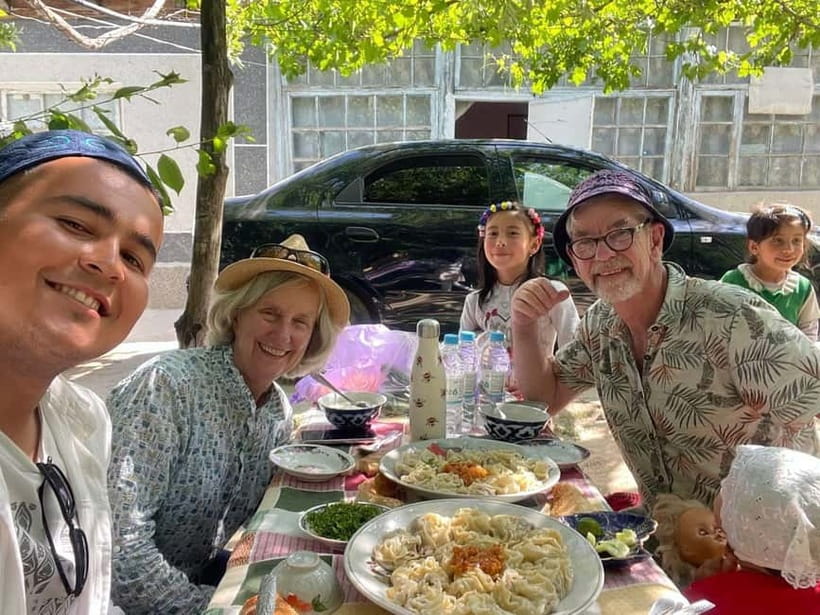
- Plov cooked over an open fire: Help prepare Uzbekistan’s national dish in a large cast-iron qozon, using rice, carrots, onions, meat, and spices.
- A real village home: Meet Bekjon, his mother, and other family members in a clay-brick house surrounded by gardens and fields.
- Mantu from scratch: Roll dough, add the filling, shape dumplings, and steam them in a traditional multi-layered mantuvarka.
- More than a cooking lesson: Walk through the village, see cows, sheep, chickens, and donkeys, and feed the animals.
- Tea under the grapevine: The waiting time becomes part of the experience, with green tea, local snacks, and conversation.
- Strong personal hosting: Bekjon handles pickup and communication carefully, while his family brings the warmth of a home meal.
Why this class is worth leaving Samarkand for
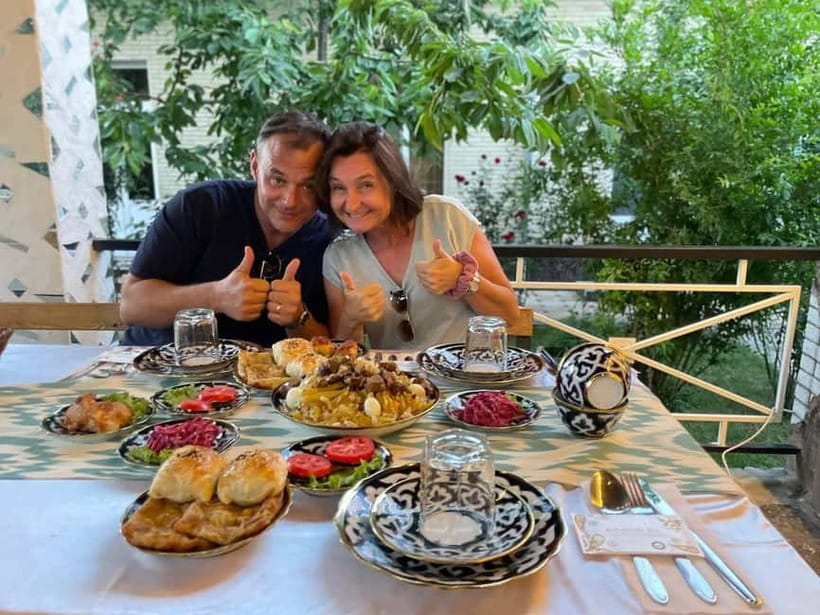
Samarkand is full of grand sights, from tiled religious buildings to the wide avenues around Registan Square. But Uzbekistan is not only its monuments. Much of daily life happens in family homes, gardens, courtyards, and kitchens, and this outing gives you a window into that side of the country.
The village is about one hour from Samarkand. That drive is not a minor transfer tagged onto the activity. It is part of the point. You leave the city behind and reach a quieter setting of vegetable patches, fruit trees, open fields, and farm animals. If your Uzbekistan trip has focused mainly on historic centers, this change of pace can be refreshing.
I especially like the way the family home gives the class a natural setting. You are not standing in a purpose-built tourist kitchen. You are cooking in the same sort of environment where these dishes are prepared for family meals, holidays, and larger gatherings. That makes the food easier to understand. Plov is not simply a recipe, and mantu is not just a dumpling. Both carry a social role.
More Cooking Classes in Samarkand
- Samarkand: Village Tour with Plov Cooking Class & Home Visit
★ 5.0 · 29 reviews - Cooking class in Samarkand with local life experience
★ 5.0 · 19 reviews - cooking traditional food in Samarkand with local people
★ 4.8 · 17 reviews
Pickup with Bekjon and the ride into the countryside
Pickup is included from your Samarkand hotel, train station, or airport, provided you send the address in advance. Bekjon has been praised for contacting people soon after booking, asking about food restrictions and expectations, and arriving on time. Those small details matter in Uzbekistan, where a clear pickup plan can save you a lot of guesswork.
During the drive, Bekjon can explain local culture, village life, and sights along the route. One guest also had the chance to visit a local market before returning to the family home, which added a useful look at how ingredients reach the kitchen. Market access may depend on the day’s plan, so I would treat it as a possible extra rather than a guaranteed stop.
The vehicle transfer received perfect marks from all recorded ratings, and the overall experience has a five out of five score from 22 ratings. That is a strong sign that the basic organization works well. Still, the hour each way means you should not book this right before a train, flight, or tightly timed city tour.
Entering a clay-brick home near Samarkand
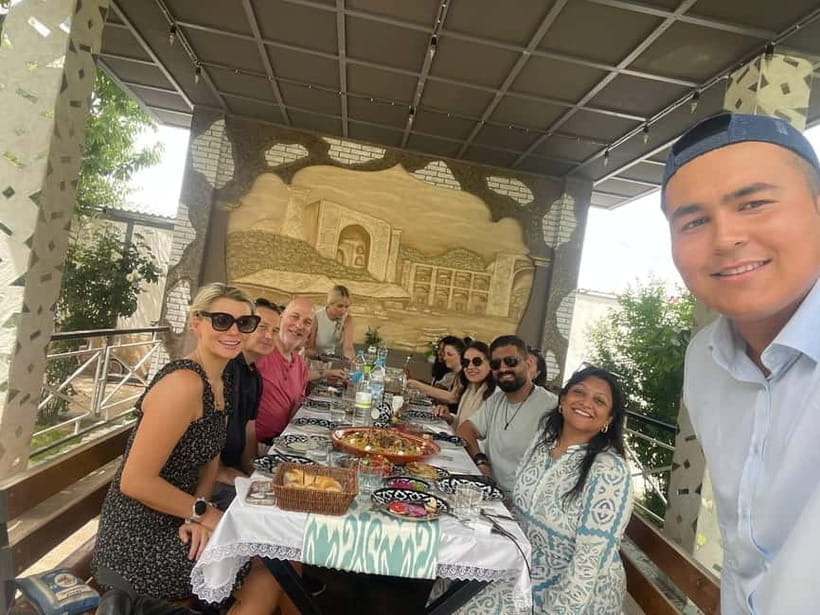
Arrival brings you into the host family’s home, with Bekjon and his mother playing central roles in the cooking. Other family members may help as well. The welcome is personal, and the meal is shared together after the work is finished.
The home sits among fruit trees and vegetable plots. You can see cows, sheep, chickens, and donkeys, all part of the practical rhythm of rural life. You might be invited to feed the animals or walk through the garden while the food cooks. This is a good reason to bring a camera, though sunscreen and comfortable clothing are just as useful.
The setting also means you should expect a simple, lived-in environment rather than hotel-style facilities. The attraction is the family connection, not polished presentation. If you prefer a formal cooking studio with measured stations and restaurant service, this may feel too informal. If you want a look at how people cook and eat at home, the informality is the strength.
Learning plov in the qozon
Plov is the centerpiece for many bookings. In Uzbekistan, it is commonly called osh or pilov, and it is tied to celebrations, family events, and hospitality. The class shows you the process from raw ingredients to a shared dish, rather than presenting you with a finished plate.
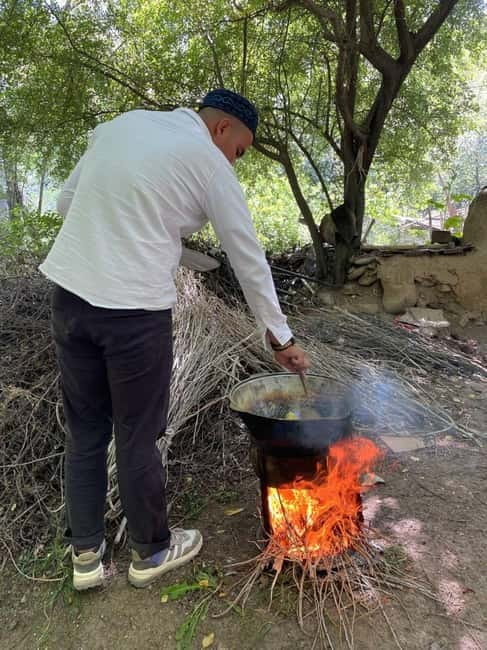
You help select and prepare ingredients such as rice, carrots, onions, lamb or beef, and spices. The food is then cooked in a qozon, a large cast-iron pot, over a wood-fired stove or open fire. Bekjon and his mother explain how to layer the ingredients and manage the cooking process.
This kind of lesson is useful because plov is less about complicated equipment than timing and judgment. You can stir, taste, and assist as the dish develops. The fire and large pot also make the cooking feel communal. You are contributing to a meal that is meant to be shared, not assembling a single restaurant portion.
The waiting period is handled well. Instead of standing around the stove, you can explore the garden, visit the animals, try traditional clothing in some arrangements, or sit beneath a grapevine with green tea and snacks. One experience included an explanation of local customs while trying on wedding clothes, though this should be viewed as an occasional cultural extra rather than a fixed part of the advertised program.
Expect a generous amount of food. One person found the plov portion too large to eat alone and shared it with Bekjon’s mother. That is not a complaint so much as a reminder that Uzbek hospitality often comes in large servings. Arrive hungry, but do not feel obliged to finish every grain.
More Workshops in Samarkand
- Private Samarkand Cooking Class with Market Tour & Transfers
★ 5.0 · 14 reviews - Cooking Class in the Village with Local Family in Samarkand
★ 5.0 · 11 reviews - Plov Cooking Class at Local Uzbek House
★ 5.0 · 5 reviews - Samarkand Local Family Cooking Class and Siyob Bazaar Tour
★ 5.0 · 5 reviews
Rolling and shaping mantu
Mantu gives the class a different rhythm. These steamed dumplings are made with thin dough and a filling of minced meat and onions. You roll the dough, add the filling, fold the dumplings, and place them into a mantuvarka, a multi-level steamer.
The shaping takes patience. That is part of the fun. Your first few dumplings may look less tidy than the family’s, but the point is to learn the method and share the work. In village homes, this sort of preparation is often connected with holidays and family gatherings, when several people sit together and produce a large batch.
Mantu is especially good for anyone who enjoys the craft of cooking. Plov centers on heat, layering, and timing. Mantu asks you to work with your hands and pay attention to dough thickness and folding. One experienced guest found the mantu particularly delicious, which is a good reason to ask in advance if the class can focus on both dishes.
Vegetarian fillings such as pumpkin or potato are offered for mantu. That does not make the whole activity suitable for every vegetarian or vegan, however, since the wider cooking experience involves meat. Vegans should not book this class expecting a fully plant-based menu.
Tea, animals, and the value of unplanned time
Some of the best moments happen between cooking steps. Sit under the grapevine with green tea and local snacks. Ask about village routines, family life, Uzbek food, or the differences between city and countryside. Bekjon’s English is described as solid, and he has answered questions about Uzbek history and culture during the day.
Communication may also involve translation apps, especially with family members who do not speak English. That is not necessarily a problem. It can make conversations slower, but it also keeps the exchange direct and human. A smile, a shared plate, and a few food-related words often do plenty of work.
The animals are not a separate farm attraction. They are part of the home’s everyday setting. You can see how a village household connects gardens, livestock, cooking, and family meals. For children, this may be one of the most memorable parts, although babies under one year are not considered suitable for the activity.
What the $52 price really buys you
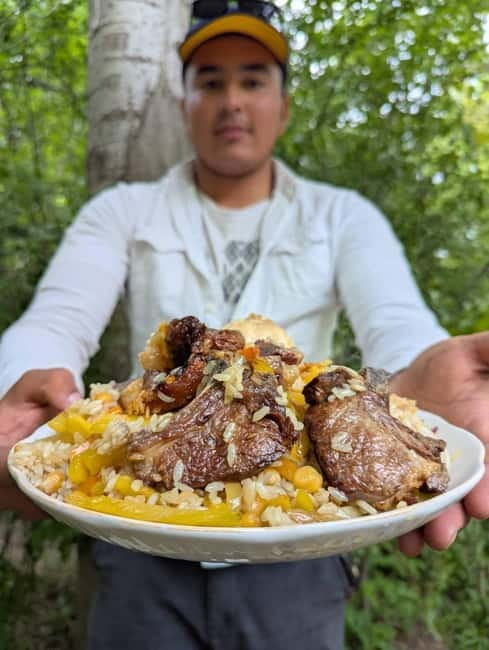
At $52 per person, the price includes hotel, train station, or airport transfer, the cooking masterclass, ingredients, a guided village walk, tea, and the return trip to Samarkand. For a 5.5-hour experience, that is a fair package, especially if you are traveling alone or as a small party and would otherwise need to arrange a private countryside visit.
The value is not only the food. You are paying for transport, interpretation, practical instruction, and access to a private family setting. A restaurant meal in Samarkand will cost less, but it will not show you the preparation, the open-fire method, the garden, or the family routines behind the dish.
The price is less compelling if cooking is not your interest. Around four hours are assigned to the village activity, with the rest taken by transport and transitions. That is a good use of time for someone curious about food and rural life, but not the fastest way to see more city monuments.
Personal expenses are not included. The supplied information does not list extra fees for the village visit, tea, or ingredients, so the main practical cost should be covered by the stated price. Keep a little money for personal purchases, snacks, or anything you may choose to buy along the way.
Who will enjoy this most
I would recommend the class to you if you like meeting local people, learning by doing, and eating dishes that have a place in family life. It suits visitors who have already seen some of Samarkand’s main sights and want a countryside day with a slower pace.
It is also a good fit for curious cooks. You do not need advanced skills. The family guides you through the work, and you can take part at the level that feels comfortable. The class offers enough detail to help you understand the method, but it is not presented as professional chef training.
You should think twice if you have back problems, a recent surgery, diabetes, animal allergies, or food allergies. The activity includes cooking, standing, rural walking, animals, and a meat-based meal. People over 95 and babies under one year are also listed as unsuitable.
The experience is offered in English. Bekjon’s communication has been praised, while translation apps may help when speaking with other family members. If you need highly technical culinary instruction in perfect English, confirm the details before booking.
Practical tips for a smoother day
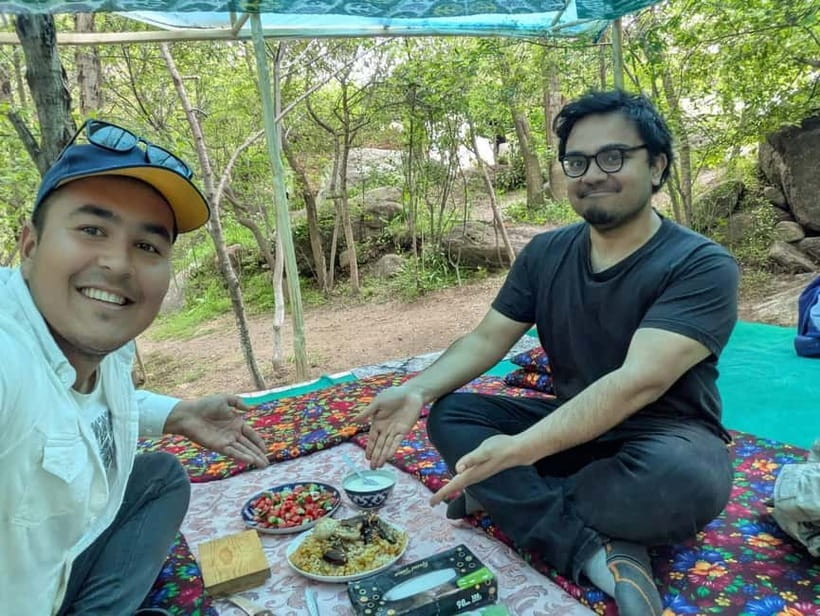
Send your exact pickup address before the day. Pickup is available from a hotel, train station, or airport, but the provider needs to know where to find you.
Wear comfortable clothes that can handle smoke, food splashes, and time outdoors. Bring sunscreen and a camera. You may also want a water bottle, though tea and snacks are included.
Tell the host about allergies, dietary needs, and your preference for plov or mantu before departure. The host has asked people about restrictions in advance, so early communication helps the family prepare.
Plan this as a half-day activity, not a quick lunch stop. The village is one hour from Samarkand, and the cooking itself is deliberately unhurried. Leave room afterward for rest or an easy evening.
Cancellation is free up to 24 hours before the start time, and you can reserve now and pay later. Those policies are useful if your Uzbekistan route is still shifting, but they do not remove the need to confirm the pickup point and food arrangements.
Should you book the village cooking class?
Book it if you want food to be your doorway into Uzbek family life. The strongest part is the combination of practical cooking, a generous shared meal, and time with Bekjon’s family in their own village home. The open-fire plov, handmade mantu, garden, animals, and tea under the grapevine give the day a clear sense of place.
Skip it if you are vegan, have serious food or animal sensitivities, or want a tightly timed city excursion. For everyone else, $52 is a sensible price for transport and a personal cultural experience that reaches beyond Samarkand’s famous monuments.
FAQ
How far is the village from Samarkand?
The village is about one hour from Samarkand. Transfer from Samarkand to the village and back is included.
How long does the full experience last?
The activity lasts 5.5 hours, including transportation and the village cooking program.
What dishes will I learn to make?
The class focuses on Uzbek plov and may also include mantu. Plov is cooked in a qozon over a wood fire, while mantu are handmade steamed dumplings.
Is transportation included?
Yes. Pickup and return transfer are included from a Samarkand hotel, train station, or airport. You need to provide the exact pickup address.
Is the cooking class offered in English?
Yes. The activity includes a live English-speaking guide. Translation apps may also be used when communicating with family members.
Are vegetarian options available?
Vegetarian fillings such as pumpkin or potato are available for mantu. The activity still involves cooking with meat, so it may not suit vegetarians or vegans.
What should I bring?
Bring a camera, sunscreen, and comfortable clothes. Clothing should be suitable for cooking and spending time outdoors.
Can I cancel the activity?
You can cancel up to 24 hours before the activity for a full refund. You can also reserve and pay later, which keeps your plans flexible.
Recently added around Samarkand
- Bird Watching Tours in Samarkand★ 3.6 · 3 reviews
- Penjikent Day Trip From Samarkand★ 5.0 · 3 reviews
- Samarkand: city tour★ 4.7 · 3 reviews
- Samarkand Capital of Amir Timur Private Tour with Transport★ 5.0 · 3 reviews
- Seven Lakes Panjakent: One-Day Adventure from Samarkand★ 5.0 · 3 reviews
- Ancient and Modern tour in Samarkand with Transport★ 5.0 · 3 reviews
- Samarkand: Cooking class with local family★ 5.0 · 3 reviews
- Amankutan Trek One Day Tour From Samarkand★ 3.9 · 3 reviews
Cooking Classes, compared.
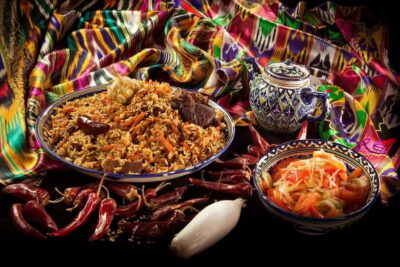
Village Tour with Plov Cooking Class & Home Visit
Read our review →Master Class – Shivit Osh Traditional Food Of Khiva
Read our review →
Cooking class in Samarkand with local life experience
Read our review →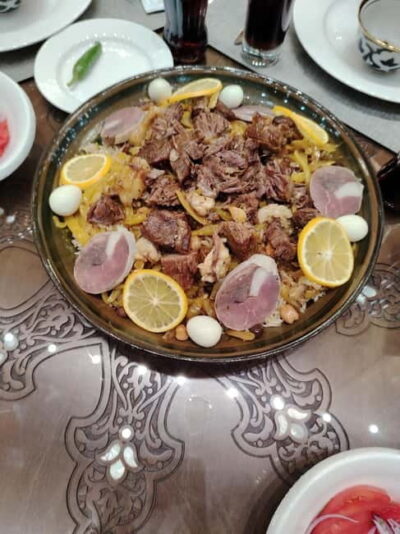
cooking traditional food in Samarkand with local people
Read our review →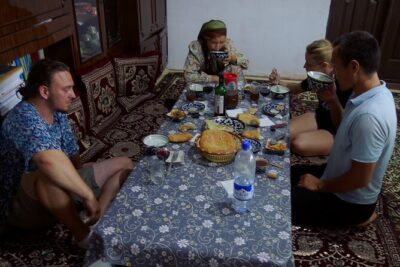
Private Samarkand Cooking Class with Market Tour & Transfers
Read our review →
Cooking Class in the Village with Local Family in Samarkand
Read our review →
Browse the lists this tour appears in