
Reviewed · COOKING CLASSES
Samarkand: Village Tour with Plov Cooking Class & Home Visit
Trade monuments for a family table. This eight-hour outing from Samarkand takes you into a rural village for a home visit, a hands-on plov lesson, and a look at everyday Uzbek life. I like the chance to shop for ingredients at a local bazaar, and I like that the meal is cooked the old-fashioned way over a live fire. The main consideration is that the day moves at a relaxed pace, with roughly 40 to 60 minutes of driving each way, so it is less about checking off sights and more about conversation, food, and time with a family.
I also like the human touch provided by guides such as Asrorbek, Javokhir, Bekjon, and Eshkuvatov, who explain rural customs while keeping the ride friendly and easygoing. You should note two practical wrinkles: the details both include and exclude transport to the village, so confirm this when booking, and the accessibility information conflicts, since the activity is marked wheelchair accessible but also listed as unsuitable for wheelchair users and people with mobility impairments.
In This Review
- Key points to know before you book
- Leaving Samarkand for village roads
- The bazaar: where lunch starts
- Entering a family home in rural Uzbekistan
- Cooking plov over a live fire
- A long Uzbek lunch, not a rushed tasting
- Walking through homes, fields, and village life
- Folk music to close the day
- Guide quality and group size
- Is $59 a fair price?
- Who should book this village day?
- FAQ
- How long does the Samarkand village tour last?
- Is hotel pickup included?
- Is transportation to the village included in the price?
- What language is the tour conducted in?
- What food will I prepare?
- Will I eat with the local family?
- Is the folk music performance guaranteed?
- Is the tour suitable for wheelchair users?
- Should you book it?
Key points to know before you book
- Plov begins at the bazaar: You may help buy rice, meat, vegetables, snacks, and other ingredients before reaching the family home.
- The cooking happens over fire: The plov and non bread are prepared in a traditional, hands-on setting rather than a modern demonstration kitchen.
- The family visit is the heart of the day: You spend real time around a household table, sharing food and discussing Uzbek and foreign customs.
- Rural Samarkand is close, but not rushed: The village is about 40 to 60 minutes from the city, with time for a walk, gardens, farmland, crafts, or local games.
- The guide makes a big difference: English-speaking guides including Asrorbek, Astro, Bekjon, Javokhir, and Eshkuvatov have been praised for clear explanations and warm conversation.
- Allow a full day: The advertised duration is eight hours, and the pace favors sitting, eating, talking, and observing rather than constant activity.
Leaving Samarkand for village roads
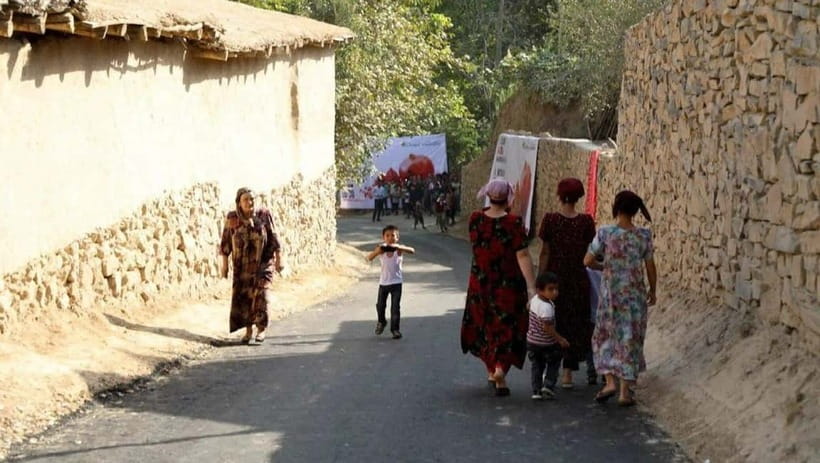
The day starts with pickup in Samarkand. The drive is not simply dead time between two points. Guides explain rural culture, village life, and what you are seeing along the road, so you begin to understand the setting before arriving.
Several accounts place the village at about 40 to 60 minutes from the city. That is long enough to see daily life beyond Samarkand’s grand monuments, but short enough to fit comfortably into a day trip. You might see people working, homes, fields, and changing views as the road moves away from the city.
Pickup is advertised from your hotel. If the group has more than five people, the operator may ask you to go to a meeting point instead, with details sent by email. Confirm this before the morning of your tour, especially if you have luggage, a tight train schedule, or a hotel outside central Samarkand.
The transport has received a high rating, with 87 percent of ratings giving it a perfect score. That suggests the ride is generally handled well, though the listing has inconsistent wording about whether transport to the village is included. Ask for a clear answer before paying. The experience is priced at $59 per person, and that price makes more sense once you count the vehicle, guide, market stop, cooking lesson, home visit, and meal together.
More Cooking Classes in Samarkand
- Samarkand: Uzbek Cooking Class in a Village Home
★ 5.0 · 22 reviews - Cooking class in Samarkand with local life experience
★ 5.0 · 19 reviews - cooking traditional food in Samarkand with local people
★ 4.8 · 17 reviews
The bazaar: where lunch starts
One of the smartest parts of the day is stopping at a local market before visiting the family. Instead of presenting plov as a finished dish, the tour lets you see some of the ingredients and shopping that support it.
The exact market stop can be brief, and the listed itinerary allows only a short break and photo stop in the Samarqand Region. Still, this small pause gives the cooking lesson a practical beginning. You are not merely watching someone prepare lunch. You are connected to the buying, selecting, and preparing of the food.
The stop may also include snacks for the ride or for the welcome at the house. One account describes picking up ingredients and snacks on the way, while another notes a stop at a typical village bazaar. If you enjoy food markets, this is a useful taste of ordinary shopping rather than a staged food show.
Do not expect a long market tour with time to examine every stall. The purpose is to gather what is needed and continue to the village. Bring a camera, but keep the focus on the experience rather than treating local people as scenery. A few Uzbek words and a polite smile will take you a long way.
Entering a family home in rural Uzbekistan
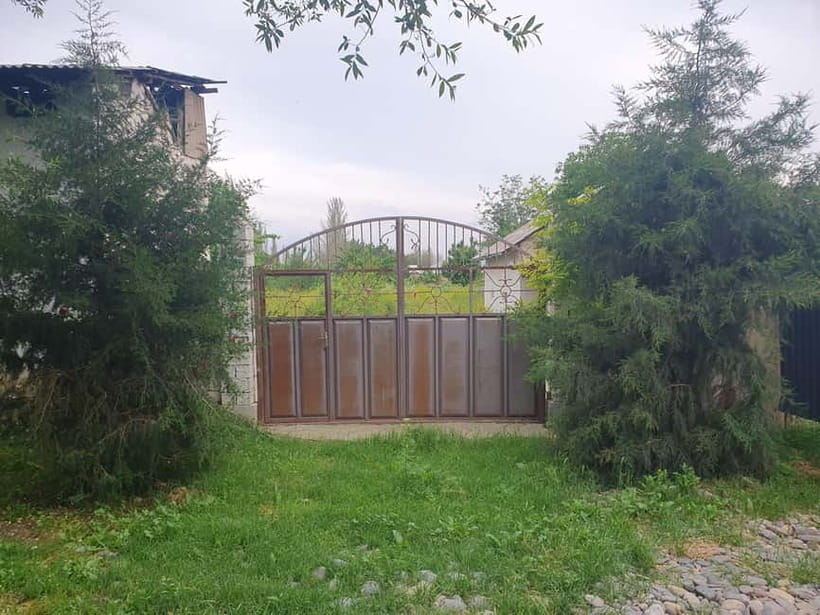
At the village, you are welcomed into a local family home. This is where the experience becomes more personal than a standard sightseeing trip. You sit with your hosts, ask questions, and learn about customs, household routines, architecture, farming, and family life.
The welcome may include snacks before the main cooking begins. The host families are described as warm and open, with women of the household often leading the food preparation. Oysara, Elder, and another kindly described grandmother are among the hosts associated with especially memorable cooking sessions.
You should come ready for a social visit, not a quick stop. The best part may be the time spent talking around the table, comparing Uzbek customs with life in Europe, North America, Japan, or elsewhere. Guides help keep the conversation moving and explain points that would otherwise be easy to miss.
This is also a useful setting for solo visitors. One young woman traveling alone said the welcome helped her feel more comfortable and confident in Uzbekistan. That does not mean every visitor will have the same personal experience, but the family setting and English-speaking guide can make rural contact feel much easier than trying to arrange it alone.
The household visit can vary. One group happened upon a pre-wedding gathering and was invited to see women preparing items for a new couple’s home. Another was invited to a local wedding. These moments are not guaranteed, so treat them as fortunate additions rather than promised parts of the schedule.
Cooking plov over a live fire
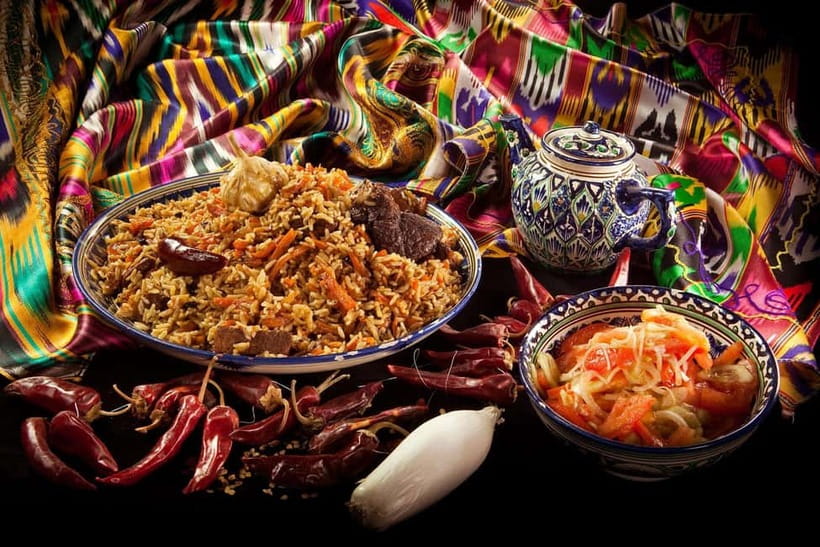
Plov, also called osh, is the centerpiece. Samarkand has its own celebrated style of the dish, and the point here is to see how it comes together in a family setting.
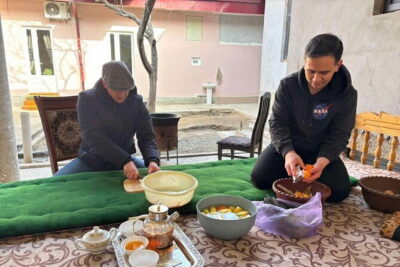
You may help prepare ingredients, watch the rice and other components being handled, and take part in the cooking process under your hosts’ direction. The plov is cooked traditionally over a fire, sometimes in a barn or outdoor cooking area. That setting gives you a better feel for the scale and care involved than a short restaurant demonstration.
The lesson is hands-on, but do not assume you will independently cook every stage. The host remains the expert, while you learn by helping, observing, and asking questions. This is ideal if you want cultural context along with a recipe. It is less suitable if you want a formal cooking school with printed instructions, measured stations, and a tightly timed class.
The guides explain the ingredients and methods, including details described as family secrets passed down through generations. The real value is not just learning how to recreate plov at home. You see how food gathers people together and how a large communal dish fits into Uzbek hospitality.
The meal is generally described as generous and delicious. Alongside plov, you can expect fresh non bread and salads. Bread-making is part of the activity, and some outings have included baking non as well as learning the plov process. You may also find extra snacks and other home-prepared food on the table.
More Workshops in Samarkand
- Private Samarkand Cooking Class with Market Tour & Transfers
★ 5.0 · 14 reviews - Cooking Class in the Village with Local Family in Samarkand
★ 5.0 · 11 reviews - Plov Cooking Class at Local Uzbek House
★ 5.0 · 5 reviews - Samarkand Local Family Cooking Class and Siyob Bazaar Tour
★ 5.0 · 5 reviews
A long Uzbek lunch, not a rushed tasting
After cooking, you sit down to eat with the family. This is a communal meal, and it can last for several hours. Food and conversation are treated as the main event, not as a short reward before the next attraction.
I consider this a strength. Samarkand’s monuments deserve time, but a shared meal shows you another side of the region. You learn how people welcome visitors, how food is served, and how conversations develop when nobody is hurrying you toward the next photo stop.
The pace may be a drawback if you prefer a packed day. One account specifically describes the outing as relaxing rather than action-packed. After several weeks of constant sightseeing, that slower rhythm can be exactly right. If you want nonstop movement, you may find the sitting and talking too long.
Alcohol is not part of the formal experience and smoking indoors is not allowed. Water is provided, though you can bring your own. If you have dietary restrictions, ask the operator before booking, since the supplied details do not explain how special diets are handled.
Walking through homes, fields, and village life
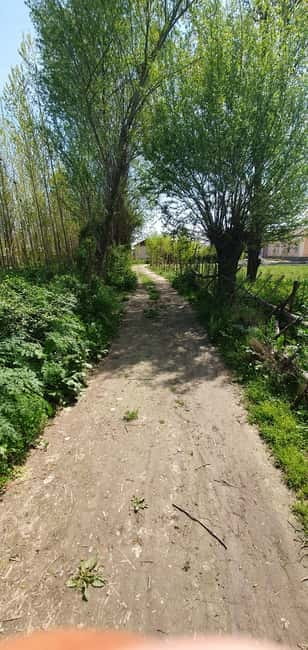
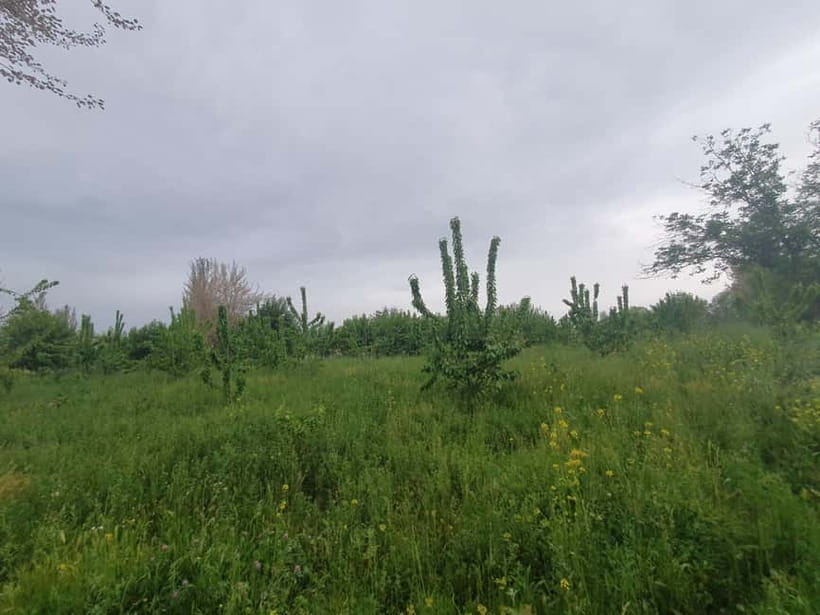
After lunch, the day may continue with a walk through the village and nearby farmland or gardens. One group took a walk of about 30 minutes, while other accounts describe views toward distant mountains, cotton fields, livestock, and traditional homes.
The village tour focuses on how people live, not on major monuments. Your guide may explain traditional house design, building materials, village layout, farming, and the seasonal work connected with cotton. You may also see gardens, livestock, or fields where the community works close to the land.
The word tour should not make you picture a formal open-air museum. This is a lived-in place. The attraction is the ordinary setting, including houses, paths, work areas, and family spaces. That can feel more revealing than a polished cultural display, but it also means conditions may be uneven and the walk may include unpaved ground.
Extra activities can include traditional crafts, local games, or a closer look at village work. One outing included the chance to milk a cow. These additions depend on the day, the household, and local circumstances. Enjoy them if they appear, but do not book expecting a fixed list of farm activities.
Wear comfortable walking shoes. A sun hat, sunscreen, and a camera are sensible, particularly for the outdoor portions. Water is available, but a refillable bottle is still useful.
Folk music to close the day
Some departures finish with a short performance by local musicians using traditional Uzbek instruments. It is an optional part of the experience, so confirm whether it is planned for your date.
A brief music performance works well after the meal and village walk because it adds sound to an already very hands-on day. You have seen food preparation, shared stories, and observed rural routines. Music gives the closing moments a local cultural note without turning the visit into a large stage production.
Again, keep expectations modest. The program describes a brief live performance, not a full concert. If the musicians are present, it is a pleasant final touch. If not, the home visit and meal remain the main reasons to book.
Guide quality and group size
The English-speaking guide is important here. The strongest guide experiences involve people such as Asrorbek, Javokhir, Bekjon, and Eshkuvatov, who explain Uzbek culture, answer questions, and keep conversation natural rather than reciting a script.
Names vary by departure, so you may not receive a particular guide. Still, the pattern is clear: the guide links the road, market, home, meal, and village walk into one story. A good guide also helps you behave respectfully in a private household and makes cultural differences easier to discuss.
Group size can affect the tone. One outing had only two participants, which allowed easy conversation and a personal feel. Larger groups may be less intimate, and groups of more than five may be directed to a meeting point rather than receiving the same hotel pickup arrangement.
The overall rating is 5 out of 5 from 29 ratings, with repeated praise for the guides, the hosts, the food, and the sense of genuine contact. That high score fits the experience’s strengths, but it should not lead you to expect a luxury day. The charm comes from hospitality and access, not polished facilities.
Is $59 a fair price?
At $59 per person, I see good value if you want cultural contact rather than another city excursion. The price covers a full eight-hour day, transport arrangements, an English-speaking guide, the village visit, market shopping, the cooking class, and a traditional meal.
The meal alone is not the point. You are paying for access to a private family setting, help with translation, and a level of rural contact that can be difficult to arrange independently. The value rises if you would otherwise spend a day in Samarkand looking for a way to meet local people outside the tourist center.
The value is weaker if you dislike long meals, rural homes, unstructured conversation, or driving outside the city. You may also find the day less appealing if you have already arranged a village stay or a separate plov class.
Cancellation is flexible up to 24 hours before departure for a full refund, and you can reserve now and pay later. Those terms help if your Samarkand schedule is still shifting.
Who should book this village day?
I would recommend it to couples, solo visitors, families, and anyone who wants to understand Uzbekistan through food and conversation. It is especially good after a few days of monuments, museums, and busy city streets.
It suits curious eaters, photographers, people interested in farming and household life, and visitors who enjoy asking questions. It also works for those who want a gentle day rather than a physically demanding excursion.
The experience is not a good match for anyone seeking an athletic outing, a formal culinary course, or a tightly scheduled list of sights. The walk is manageable for many people, but the supplied information says it is not suitable for people with mobility impairments or wheelchair users. Since another part of the description says wheelchair accessible, contact the operator directly and request exact details about the vehicle, home entrance, paths, and bathroom before booking.
FAQ
How long does the Samarkand village tour last?
The experience lasts eight hours, including the journey from Samarkand, the village visit, cooking class, meal, and return to the city.
Is hotel pickup included?
Hotel pickup in Samarkand is advertised. If the group has more than five people, you may instead be asked by email to go to a meeting point.
Is transportation to the village included in the price?
The information is inconsistent. Transportation is listed among the inclusions, but another section says it is not included. Confirm this detail with the provider before booking.
What language is the tour conducted in?
The live guide speaks English.
What food will I prepare?
The main dish is Samarkand-style plov, also known as osh. The activity can also include fresh non bread and salads.
Will I eat with the local family?
Yes. The experience includes a traditional meal shared in the family home, along with conversation and time with the hosts.
Is the folk music performance guaranteed?
No. The music performance is described as optional, so it may depend on the departure and local arrangements.
Is the tour suitable for wheelchair users?
The information conflicts. One section marks it wheelchair accessible, while another says it is not suitable for wheelchair users or people with mobility impairments. Contact the provider for a clear answer before booking.
Should you book it?
Book this day if you want to trade a few hours of sightseeing for a family table, a live-fire cooking lesson, and a closer look at rural Uzbekistan. The strongest reasons are the warm hosts, the capable English-speaking guides, the bazaar stop, and the chance to eat plov that you helped prepare.
I would skip it if your schedule is too tight for an eight-hour outing or if you want constant activity. Confirm transport, pickup, group size, dietary needs, and accessibility in advance. For most curious visitors with a free day in Samarkand, the $59 price buys something hard to arrange on your own: time in an ordinary Uzbek home, with food doing the introductions.
Recently added around Samarkand
- Bird Watching Tours in Samarkand★ 3.6 · 3 reviews
- Penjikent Day Trip From Samarkand★ 5.0 · 3 reviews
- Samarkand: city tour★ 4.7 · 3 reviews
- Samarkand Capital of Amir Timur Private Tour with Transport★ 5.0 · 3 reviews
- Seven Lakes Panjakent: One-Day Adventure from Samarkand★ 5.0 · 3 reviews
- Ancient and Modern tour in Samarkand with Transport★ 5.0 · 3 reviews
- Samarkand: Cooking class with local family★ 5.0 · 3 reviews
- Amankutan Trek One Day Tour From Samarkand★ 3.9 · 3 reviews
Cooking Classes, compared.
Master Class – Shivit Osh Traditional Food Of Khiva
Read our review →
Cooking class in Samarkand with local life experience
Read our review →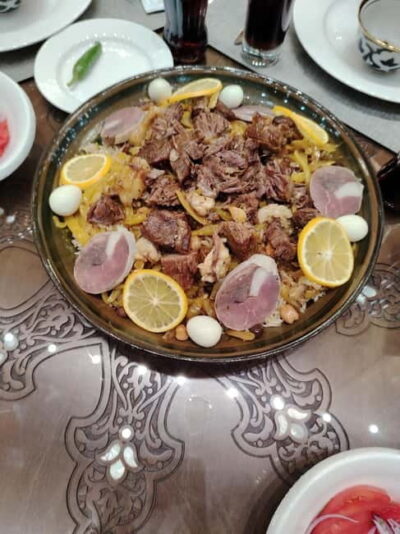
cooking traditional food in Samarkand with local people
Read our review →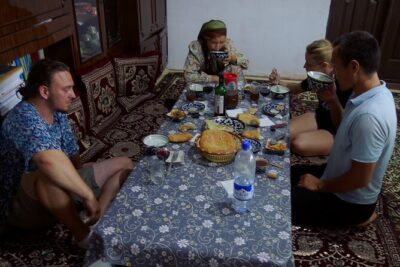
Private Samarkand Cooking Class with Market Tour & Transfers
Read our review →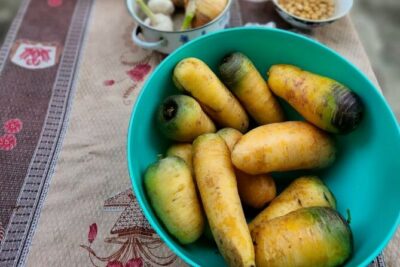
Cooking Class in the Village with Local Family in Samarkand
Read our review →
Browse the lists this tour appears in