
Reviewed · FULL-DAY
Full-Day Private Guided Tour to Islamic 7 Saints of Bukhara
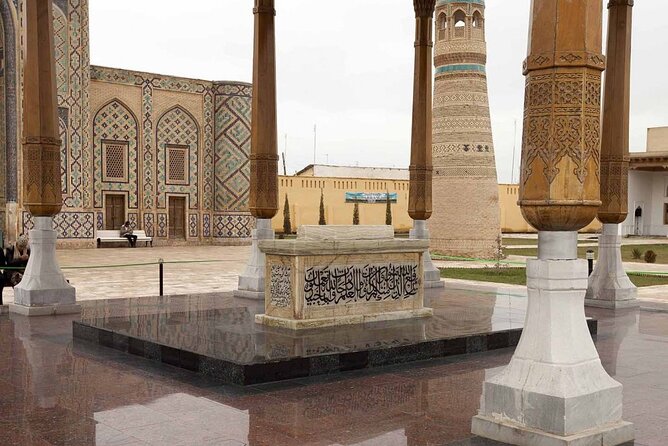
Sacred sites lie beyond Bukhara’s old center. This private day trip links the seven major Sufi shrines connected with the Naqshbandi tradition, taking you through Gijduvon, Safirkon, Vobkent, Ramitan, Kogon, and the Bahaaddina Naqshband Mausoleum. I like the private transport, which makes a long route far easier, and I like that a licensed guide and monument tickets are included. The main drawback is the pace: seven stops in seven or eight hours leaves limited time at each shrine.
I would choose this tour if you want religious history explained rather than simply photographed. The guide Hamza is praised for his passion and for explaining Sufism, Islamic culture, and the lives of the seven saints. Just remember that lunch costs an extra $10 per person, and photo or video fees of $1 to $2 per site may apply.
In This Review
- Key points to know before booking
- Why the Seven Saints route matters in Bukhara
- Gijduvon and the beginning of the spiritual chain
- Safirkon and Khoja Arif Rivgariya
- Vobkent and the authority of Mahmud Angirey Fagnaviya
- Ramitan and Ali Khoja Romitaniya
- Ramitan and Muhammad Babai Sammasi
- Kogon and Saint Mir Kulal
- Bahaaddina Naqshbandi Mausoleum
- What the guide and driver add to the day
- Is $160 per person a fair price?
- Timing, pickup, and the practical side
- Who should book this Bukhara day trip?
- Should you book the Seven Saints tour?
- FAQ
- How long does the Seven Saints tour last?
- Where does the tour start?
- Where does the tour end?
- Is this a private tour?
- Is pickup available?
- What is included in the price?
- Is lunch included?
- Are photography fees included?
- Which places are visited?
- Can I cancel for a full refund?
Key points to know before booking
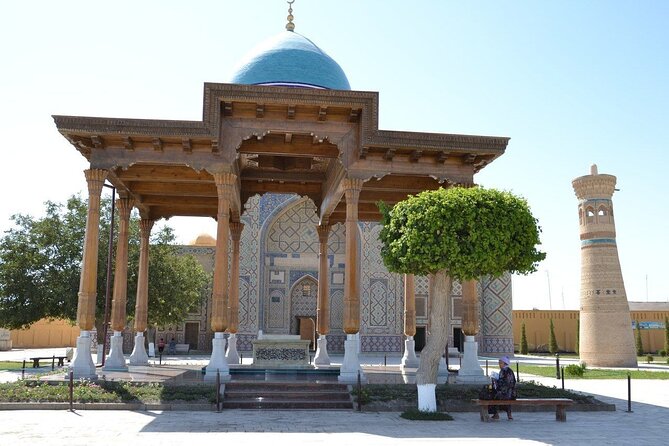
- Seven shrines in one day: The route follows the spiritual chain of the Hadzhagan, later known as the Naqshbandi tradition.
- Private vehicle and guide: Your group travels alone, with pickup offered and the tour ending back at the meeting point.
- A useful guide matters: Hamza has been praised for clear explanations of Sufism, Uzbek history, and Islamic customs.
- Most of the stops are outside central Bukhara: Expect a road-based day, not a walking tour of the old city.
- The price covers the main costs: At $160 per person, private transport, guide service, entrance tickets, fees, and taxes are included.
- Bring extra cash: Lunch is optional at $10 per person, while photo and video charges may be payable at individual sites.
Why the Seven Saints route matters in Bukhara
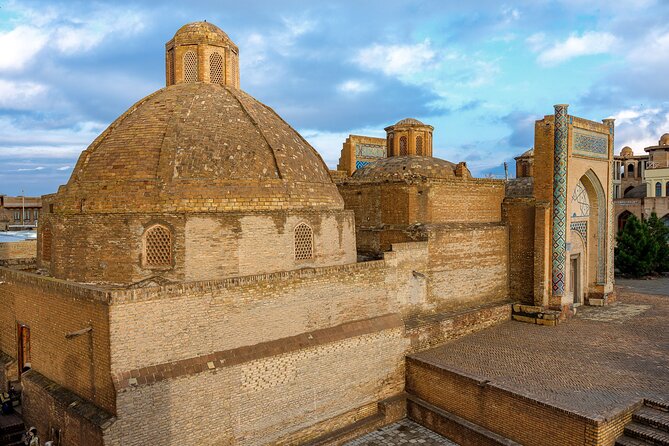
Bukhara has long been one of Central Asia’s major Islamic centers. The city is said to be about 2,500 years old, and its medieval reputation rested on an extraordinary number of religious buildings: 360 mosques and 80 madrassas are associated with that period.
The Seven Saints route gives you a different view of Bukhara from the famous domes and trading streets in the historic center. Instead of focusing on architecture alone, the day follows a line of Sufi teachers whose ideas shaped religious life across Maverannahr, the historic name for much of Central Asia.
The tradition began with Abdalhalika Gijduvani and eventually led to Bahaaddina Naqshbandi, the best-known figure in the chain. The shrines are burial places, teaching sites, and places of prayer. Your guide’s role is important because the names and spiritual relationships can otherwise become difficult to keep straight.
I would not book this as a simple sightseeing circuit. It is better understood as a religious and cultural route, with each stop adding one link to a chain of teachers. If you have an interest in Sufism, Islamic thought, or the religious history of Uzbekistan, the route offers much more than another set of monuments.
More full-day trips from Bukhara:
- Best of Bukhara: All Day Private Old Town Tour
★ 5.0 · 66 reviews - Best of Bukhara: All Day Private Old Town Tour
★ 4.9 · 62 reviews - Bukhara Full Day Old City Private Tour
★ 5.0 · 46 reviews
Gijduvon and the beginning of the spiritual chain
The first stop is Gijduvon, the birthplace of Abdalhalika Gijduvani, who lived from 1103 to 1179. He founded an independent school of mysticism in Maverannahr known as Hadzhagan, meaning the Path of Teachers.
This opening stop sets up the whole day. Gijduvani is presented as the first saint in the sequence, so the guide can explain how his teaching tradition developed and passed from one master to the next.
You have about 40 minutes here. That is enough for an introduction and a visit to the site, but not enough for a slow, unhurried study of every detail. I would listen closely at this first stop, since later shrines make more sense once you understand Gijduvani’s place in the chain.
Safirkon and Khoja Arif Rivgariya
The second stop is Safirkon, where you visit the burial place of Khoja Arif Rivgariya, also called Saint Khoja Arif Mohi Tobon. He was one of the leading Sufi figures connected with the Hadzhagan tradition.
This part of the day shifts from the founder to one of his worthy followers. That change matters because the Seven Saints are not seven unrelated holy men. They are linked through teaching, discipleship, and spiritual succession.
The planned visit lasts around 40 minutes. The short stop keeps the route moving, though it also means you will need to rely on the guide for context. A good explanation can turn a brief visit into a meaningful one. Without that explanation, the site may feel like a quiet burial complex with unfamiliar names.
Vobkent and the authority of Mahmud Angirey Fagnaviya
In Vobkent, the tour visits the burial place of Khoja Mahmud Angirey Fagnaviya. He was recognized as a spiritual authority in Maverannahr and is connected with the Hadzhagan school.
His place in the sequence shows how the tradition gained strength through a succession of teachers. By this point, you will have heard several names, so I would keep a note on your phone or ask the guide to repeat the order. The route is intellectually rewarding, but the names are not easy to retain on the first hearing.
Again, about 40 minutes is planned. The tour does not present each shrine as a long independent visit. Instead, you receive a series of focused stops that build one larger story.
A few more Bukhara trips worth weighing up
- Bukhara: Walking Tour with a Small Group
★ 4.9 · 260 reviews - From Bukhara: 2-Day Desert Yurt Camp Tour
★ 4.5 · 57 reviews - City Tour Around Bukhara
★ 5.0 · 55 reviews - Bukhara: Historic Center Guided Sightseeing Tour
★ 4.8 · 44 reviews
Ramitan and Ali Khoja Romitaniya
The first Ramitan stop is dedicated to Ali Khoja Romitaniya, one of the major spiritual authorities of the Hadzhagan school. He is described as a master of wisdom with strong spiritual quality and charisma.
This is one of the points where the personal relationship between the saints becomes central. The route is not only about where each person was buried. It also follows the influence of teachers whose students carried the tradition forward.
The two Ramitan visits can make the geography slightly confusing. You are not visiting the same monument twice, but both stops are listed within the Ramitan area. Your guide should clarify the difference and explain how Ali Khoja Romitaniya connects with the next saint, Muhammad Babai Sammasi.
Ramitan and Muhammad Babai Sammasi
The next stop remains in Ramitan and honors Khoja Muhammad Babai Sammasi. He followed the Hadzhagan traditions and was a student of Ali Khoja Romitani. He is counted as the fifth of the Seven Saints.
This is a useful stop for understanding how Sufi teaching passed from master to pupil. The day is beginning to feel less like a collection of mausoleums and more like a family tree of spiritual instruction.
The timing remains about 40 minutes. Since the tour is private, you can ask for more detail if this part interests you, or request a shorter explanation if the names and dates are becoming hard to follow. That flexibility is one of the stronger reasons to pay for a private tour rather than join a large group.
Kogon and Saint Mir Kulal
At Kogon, you visit Saint Mir Kulal, also known as Sheikh Sayyid Amir. Kulal means potter, or Hanchar, and he was a spiritual authority in the Hadzhagan school. He is the sixth link in the school’s line of spiritual succession.
The name gives this stop an appealing human detail. Alongside his religious role, the saint is remembered through a craft-based name, showing how people could be identified by their work as well as their position.
You have another 40-minute visit here. The repeated timing gives the day a clear structure, but it also confirms that this is a packed itinerary. I would expect short visits, explanation from the guide, and time to look around, not long periods of quiet reflection at each site.
Bahaaddina Naqshbandi Mausoleum
The final stop is the Bahaaddina Naqshband Mausoleum, dedicated to Saint Bahaaddina Naqshbandi. He was the largest representative of Central Asian Sufism in the 14th century, and the Naqshbandi name comes from his craft. Naqshband means chaser.
This is the natural climax of the route. The earlier shrines lead toward the figure whose name became attached to one of the most influential Sufi brotherhoods in Uzbekistan and beyond.
The mausoleum is also the only stop specifically listed with an included entrance ticket, although the tour information says entrance tickets to all monuments are covered. I would still confirm the exact ticket arrangements when booking if you want to avoid confusion.
Plan around 40 minutes here as well. The final stop may feel especially important, so you might wish the schedule allowed more time. Still, finishing at Naqshbandi’s mausoleum gives the day a clear ending and ties together the spiritual line introduced in Gijduvon.
What the guide and driver add to the day
This tour depends heavily on the quality of its explanations. The shrines are spread across several places, and many of the saints have similar titles and names. A licensed guide can explain the links, translate religious ideas into plain language, and help you understand respectful behavior at Islamic burial sites.
Hamza is specifically praised for his passion and for his explanations of Uzbekistan’s history, Sufism, Islamic culture, and the seven Khojas. I would ask him early in the day to outline the full sequence. That simple map of the route can help you place each later visit.
The driver also matters because you spend much of the day on the road. The available feedback describes the driver as friendly and well mannered. That is a small detail, but it can shape a full day in a car, especially when the itinerary includes seven stops.
Since the activity is private, only your group participates. You can ask questions without worrying about slowing down a busload of people. Group discounts are also offered, which may improve the value for families or friends traveling together.
Is $160 per person a fair price?
At $160 per person, this is not a cheap add-on. The price makes more sense when you count what is included: private transportation, a licensed guide, entrance tickets to all monuments, fees, and taxes.
The route covers several outlying locations, so arranging the same day independently would require transport planning and a driver familiar with the sites. You would also need to find reliable explanations for the Sufi tradition. The private format saves time and removes much of that practical work.
Value depends on group size. A solo visitor pays the full per-person rate, while a larger private group may benefit from group discounts. I would compare the final price against a private car hire plus guide service, rather than against the cost of a short walking tour in Bukhara.
Lunch is not included and costs an additional $10 per person. Photo and video fees may also cost $1 to $2 per site, paid directly at the museum entrance. With seven stops, those small charges can add up, so carry extra Uzbek currency or confirm accepted payment methods.
Timing, pickup, and the practical side
The tour lasts about seven to eight hours and starts at Hotel Malika-Bukhara on Gavkushon Road 25. Pickup is offered, but the stated meeting point is this hotel, so confirm the pickup arrangement before the day begins.
The tour ends back at the meeting point. That is useful if you have evening plans in Bukhara, though I would leave some spare time in case the road schedule runs late.
Most people can participate, and the tour is near public transportation. The day requires good weather. If poor weather cancels the experience, you can choose another date or receive a full refund. The same applies if the minimum number of participants is not met.
Free cancellation is available up to 24 hours before the start time. Changes or cancellations made less than 24 hours ahead are not accepted, and the amount paid is not refunded.
Who should book this Bukhara day trip?
I would recommend it to anyone who has already seen Bukhara’s central monuments and wants to understand the city’s religious importance. It is also a strong choice for people with a specific interest in Sufism, Islamic culture, or the history of Central Asian religious schools.
The tour suits couples, families, and small groups who value a private vehicle and the ability to ask questions. A private format is particularly useful here because the route involves a chain of names and teachings that can be hard to follow in a large group.
I would be more cautious if you prefer a slow day at one or two major monuments. Seven 40-minute stops, plus driving, create a full schedule. You will see a lot, but you will not have unlimited time for photography, prayer, or quiet reflection.
Dress and behavior should be respectful at Islamic burial places. The supplied details do not specify a dress code, so ask the guide or tour provider in advance if you are unsure about local expectations.
Should you book the Seven Saints tour?
Book this tour if you want the religious story behind Bukhara, not just another list of buildings. The route is unusual, private, and focused on the Sufi teachers who shaped the city’s place in the Islamic world.
I would book it with realistic expectations. This is a long road day with short visits, extra costs for lunch and some photography, and a subject that rewards careful listening. If Hamza is your guide, his reported passion for Sufism and Uzbek culture could make the difference between a confusing series of names and a meaningful spiritual journey.
FAQ
How long does the Seven Saints tour last?
The tour lasts approximately seven to eight hours.
Where does the tour start?
The stated meeting point is Hotel Malika-Bukhara, at Gavkushon Road 25 in Bukhara.
Where does the tour end?
The activity ends back at the meeting point.
Is this a private tour?
Yes. Only your group participates in the activity.
Is pickup available?
Pickup is offered. The stated meeting point is Hotel Malika-Bukhara, so confirm the exact pickup details when booking.
What is included in the price?
The price includes a licensed guide, private transportation, entrance tickets to all monuments, and all fees and taxes.
Is lunch included?
No. Lunch is available for an extra $10 per person.
Are photography fees included?
No. Photo and video fees may be paid directly at museum entrances and are listed as $1 to $2 per site.
Which places are visited?
The route includes Gijduvon, Safirkon, Vobkent, two stops in Ramitan, Kogon, and the Bahaaddina Naqshband Mausoleum.
Can I cancel for a full refund?
Yes, if you cancel at least 24 hours before the experience start time. Cancellations made less than 24 hours in advance are not refunded.
Recently added around Bukhara
- Uzbekistan 8 Days Private Guided Tour★ 4.6 · 3 reviews
- Bukhara: City Highlights Guided Tour with Pickup★ 5.0 · 3 reviews
- 9 Days Private Guided Tour to Uzbekistan★ 5.0 · 3 reviews
- 2 Day Ukhum Hiking Tour from Bukhara★ 5.0 · 4 reviews
- Bukhara in a Day History, Culture, and Local Insight Private Tour★ 5.0 · 4 reviews
- Bukhara: Full-Day Guided Tour with English-Speaking Guide★ 5.0 · 4 reviews
- Legends of Bukhara: Exclusive Full-Day Tour★ 5.0 · 4 reviews
- Bukhara Walking Tour★ 5.0 · 4 reviews
Full-Day, compared.
Explore Amirsoy, Chimgan & Charvak – A Full-Day Mountain Tour
Read our review →
Full Day Private Tour in Seven Lakes from Samarkand
Read our review →
Tashkent Private Full-Day City Tour on a Premium Car
Read our review →Browse the lists this tour appears in