
Reviewed · HISTORICAL TOURS
Khiva: Historical City Highlights Guided Walking Tour
Khiva rewards slow looking. This four-hour walk brings Itchan Kala into focus through its madrasahs, minarets, mausoleums, and old wooden-column mosque. I like the sensible route through the walled old city, and I like the chance to hear about modern Uzbek life as well as past rulers and saints. The main catch is that entrance tickets are extra, so the advertised $19 is not the full cost.
The tour works best with a guide who can connect dates to real stories. Guides such as Iroda, Bonu, and Shaxzodabonu have earned especially warm praise for clear English, humor, patience, and useful food and sightseeing advice. You should also expect four hours on foot, limited shade, and no wheelchair access.
In This Review
- Key points to know before you book
- Why a guided walk makes Khiva easier to understand
- Starting at the old-city ticket office or Caravan monument
- Allakuli Khan Madrasah and the first lesson in Khiva
- Islam Khoja Minaret, Khiva’s unmistakable tower
- Pahlavan Mahmoud Mausoleum and Khiva’s spiritual side
- Juma Mosque and its forest of wooden columns
- Forty minutes to read Itchan Kala as a whole
- The guides are the strongest part of the experience
- Is $19 good value when tickets are extra?
- Timing, weather, and the practical side of four hours
- Who will enjoy this Khiva walk most?
- Should you book the Historical City Highlights tour?
- FAQ
- How long does the Khiva walking tour last?
- What places are visited?
- Are entrance tickets included in the $19 price?
- Where does the tour start?
- Where does the tour finish?
- What languages are available?
- Is the tour suitable for wheelchair users?
- What should I bring?
Key points to know before you book
- Itchan Kala is the main event: You spend much of the tour inside Khiva’s UNESCO-listed old city, where the streets themselves are part of the experience.
- Four major sights are included: The route covers Allakuli Khan Madrasah, Islam Khoja Minaret, Pahlavan Mahmoud Mausoleum, and Juma Mosque.
- The guide adds local context: Strong guides explain Uzbek customs, daily life, food, legends, and current social issues, not only construction dates.
- Tickets cost extra: You buy entrance tickets at the start, with the guide helping you arrange them.
- Small groups help: Private and small-group options make it easier to ask questions and adjust the pace.
- Comfort matters: Wear walking shoes, carry water, and bring sun protection in warm weather.
Why a guided walk makes Khiva easier to understand
Khiva can look almost too perfect at first glance. Turquoise tile, high mud-brick walls, carved doors, and tall minarets create a strong visual impression, but a self-guided stroll may leave you with a string of beautiful buildings and few connections between them.
That is where this tour earns its modest price. You move from religious schools to a Sufi mausoleum and then to a mosque with a very different design. A good guide explains how these places fit into Khiva’s religious, political, and social life.
I especially like the mix of formal history and everyday detail. Several guides have added stories about Uzbek food, local traditions, bread, restaurants, souvenirs, and present-day life. Iroda, in particular, is praised for discussing modern Uzbekistan, including the position of women, with warmth and honesty.
The experience is not simply a checklist of monuments. At its best, it gives you a way to read the city. You learn why a minaret mattered, why a mausoleum still draws respect, and how a mosque’s unusual interior reflects older building traditions.
More Walking Tours in Khiva
- Khiva Historical City Highlights Guided Walking Tour
★ 5.0 · 30 reviews - Khiva Walking Tour
★ 4.7 · 22 reviews - Khiva Walking Tour
★ 4.5 · 15 reviews
Starting at the old-city ticket office or Caravan monument
You have two possible meeting points: the Caravan monument or the ticket office of Khiva’s old town. Your exact meeting place depends on the option you book, so check the confirmation carefully and add a working WhatsApp number when reserving.
The ticket issue comes first. Entrance fees are not included in the $19 tour price, and you need access tickets to enter the principal museums and monuments. The guide assists with the purchase, which is useful if the ticket system feels unclear, but you should budget for this separate expense.
The exact ticket price is not supplied here and may change. One customer reported paying about €20 per person for museum access, but treat that as a personal example, not a guaranteed current rate.
From the start, keep your phone, water, and sun protection handy. Khiva’s old city is compact, but four hours of walking and standing can feel long in hot weather. Comfortable shoes matter more than stylish ones here.
Allakuli Khan Madrasah and the first lesson in Khiva
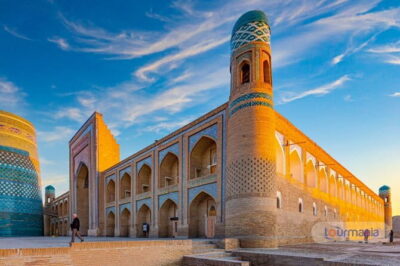
The first major stop is Allakuli Khan Madrasah, a 19th-century Islamic school built during the rule of Allakuli Khan. You spend about 20 minutes here with time for photographs, a visit, and an explanation from the guide.
This is a useful opening stop because a madrasah is more than a decorated facade. Your guide can explain its educational and religious role, as well as the way Khiva’s rulers used grand building projects to express authority.
Do not rush through the courtyard. Look at the arrangement of rooms around the central space and pay attention to the balance between practical design and ornament. The visit is fairly short, so you may need to ask questions promptly if you want more than the basic architectural story.
The first stop also sets the pace. This is a walking tour with several planned visits, not a long museum session at every building. If you want extensive time for photographs, tell your guide early so the group can manage the schedule.
Islam Khoja Minaret, Khiva’s unmistakable tower
The Islam Khoja Minaret receives about 30 minutes, including a guided visit and time to walk around it. Its height and patterned surface make it one of the easiest monuments to recognize in Khiva.
The minaret is often the image people carry away from the city, but the guide helps turn that image into a place with meaning. You can ask about its religious function, its relationship to the nearby complex, and why it became such a strong symbol of Khiva.
This is one of the stops where photography is tempting from every angle. Photography is allowed, but flash photography is forbidden inside certain sites, so keep the flash switched off.
The stop may involve uneven surfaces and extended standing. Anyone with limited mobility should think carefully before booking. The tour is specifically not suitable for wheelchair users or people with mobility impairments.
More Historical Tours in Khiva:
- Samarkand: Historical Monuments Guided Walking Tour
★ 4.8 · 446 reviews - Samarkand: Historical City Highlights Guided Walking Tour
★ 4.8 · 153 reviews - Bukhara: Historical City Highlights Guided Walking Tour
★ 4.6 · 102 reviews - Tashkent: Historical City Highlights Guided Walking Tour
★ 4.8 · 71 reviews
Pahlavan Mahmoud Mausoleum and Khiva’s spiritual side
The Pahlavan Mahmoud Mausoleum is a quieter change of mood after the tower. You spend roughly 20 minutes here, with time for a guided visit, sightseeing, and photographs.
The mausoleum honors Pahlavan Mahmoud, a respected Sufi saint who is also remembered in local tradition as a poet and strongman. The site gives your guide a chance to explain the continuing importance of saints and pilgrimage places in Uzbek culture.
This stop calls for a respectful attitude. Dress and behave with the understanding that you are entering a sacred place, not simply another historic building. Keep your voice low, follow photography rules, and allow others space.
The short schedule means you will not receive an exhaustive religious lecture. Still, this visit helps balance the grand royal architecture elsewhere in Itchan Kala. You see that Khiva’s identity is tied not only to rulers and monuments, but also to memory, devotion, and local figures.
Juma Mosque and its forest of wooden columns
Juma Mosque is one of the most unusual stops on the route. The mosque is known for its wooden-column interior and dates in tradition to the 10th century, though the structure has changed over time.
You spend about 20 minutes here with the guide. The interior is less about glittering tile and more about rhythm, shadow, timber, and space. Rows of columns create a calm, almost forest-like effect, making this a welcome contrast with Khiva’s colorful exteriors.
Take time to look upward and along the rows rather than focusing only on the most decorated details. Ask your guide to point out differences in the columns and explain how wooden architecture works in a region better known for brick and glazed tile.
This is also a place where flash restrictions matter. Your camera can still record the atmosphere without a burst of light, and respecting the rule helps protect the quiet character of the mosque.
Forty minutes to read Itchan Kala as a whole
The final major portion gives you about 40 minutes in Itchan Kala itself. In practice, the old city is present throughout the walk, but this scheduled section lets the guide draw the main threads together.
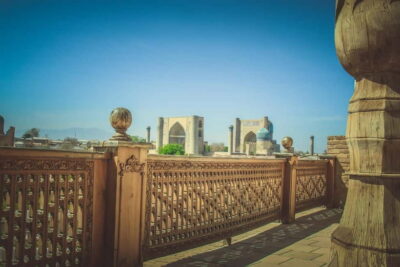
Itchan Kala is Khiva’s walled inner city and the core of its UNESCO World Heritage designation. Its value is not limited to individual buildings. Streets, walls, courtyards, gates, schools, mosques, and palaces form one historic setting.
This is where a good guide can make the biggest difference. Iroda has been praised for taking groups into quieter corners and adjusting the walk to their interests. Other guides have offered extra suggestions for places to see in both the old and modern parts of Khiva.
The pace is usually flexible in private or small groups. You may spend longer at a favorite site, skip something that interests you less, or pause for questions. One account described a tour lasting about three and a half hours, while the planned duration is four hours, so allow the full block of time rather than scheduling a tight connection afterward.
The guides are the strongest part of the experience
Guide quality shapes this tour more than any other feature. The most praised guides speak clear English, explain complicated subjects in simple terms, and welcome questions without making the walk feel like a classroom.
Iroda appears frequently in the strongest accounts. She is described as patient, funny, professional, and able to link Khiva’s past with Uzbek life today. One particularly positive experience came from a guide who works as a schoolteacher, which may help explain the clear, lesson-like structure and calm answers to many questions.
Bonu has also been praised for adapting the walk to the group, adding less obvious corners, and giving practical recommendations. Shaxzodabonu is described as friendly, funny, well prepared, and strong in English.
That does not mean every guide will give the same depth. One customer found the historical explanation too focused on dates and wanted more stories and detail. That is a fair caution: your experience depends partly on the guide assigned and partly on how actively you ask questions.
If you care about history, arrive with a few questions ready. Ask about Khiva’s rulers, religious traditions, building methods, local food, or life outside the old walls. The best moments often come from conversation rather than the prepared speech.
Is $19 good value when tickets are extra?
At $19 per person, the guiding fee is attractive for a four-hour private or small-group walk. You are paying for a focused introduction to Khiva rather than transport, meals, or a large collection of included admissions.
The separate entrance tickets are the key cost to remember. Even if you explored alone, you might still want access to the main monuments and museums, so the extra fee is not caused solely by the tour. Still, the total price can feel higher than the headline figure once admissions are added.
I see the value in the guide’s local context. A map can show you where the Juma Mosque is, but it cannot answer follow-up questions about customs, local cuisine, or modern life. Several guides have also recommended reasonably priced restaurants and places to buy souvenirs, which can save time later in your stay.
The value is strongest if you are new to Khiva and want a solid first orientation. If you already have a detailed historical guidebook and prefer to set your own pace, the ticket cost and fixed route may make a self-guided visit more appealing.
Timing, weather, and the practical side of four hours
The activity is listed as an afternoon tour, but available starting times can vary. Summer afternoons may be demanding because much of the route is outdoors and shade is not guaranteed, so check the time before booking and carry water, sunscreen, and a hat.
Wear shoes suited to old-city walking. You may cross uneven ground, enter courtyards, and stand while listening. The route is not suitable for wheelchair users or people with mobility impairments.
Flash photography is not allowed inside certain sites. A respectful approach is important at the mausoleum and mosque, where religious meaning remains part of the place.
English, Uzbek, and Russian guides are available. Private and small-group formats are offered, which is useful if you want more questions, a gentler pace, or less time waiting for a large group to gather.
The tour can be canceled up to 24 hours before departure for a full refund, and you can reserve now and pay later. Those flexible terms help if your Uzbekistan route is still taking shape.
Who will enjoy this Khiva walk most?
I would choose this tour if you have only a short stay in Khiva and want the main old-city sights explained in one half-day. It is also a good fit if architecture interests you but you want more than dates and names.
You will get the most from it if you enjoy asking questions and hearing personal observations about Uzbekistan. The tour is less suited to someone who wants long, silent photography sessions or hours inside each monument.
History lovers should ask for extra detail at Allakuli Khan Madrasah and the mausoleum. Architecture fans should save time for the wooden columns of Juma Mosque and the patterned height of Islam Khoja Minaret.
Food-minded visitors should listen for the local restaurant and cuisine suggestions. Several guides have included bread tasting or advice on Uzbek dishes, although those extras should not be treated as guaranteed parts of every departure.
Should you book the Historical City Highlights tour?
Book it if you want a well-priced introduction to Khiva with a real person connecting the buildings, beliefs, and daily life. The route covers the essential sights, the groups can be small, and guides such as Iroda, Bonu, and Shaxzodabonu have made a strong impression through clear explanations and personal warmth.
Before booking, add the cost of entrance tickets, confirm the meeting point, and make sure four hours of walking suits you. I would also choose an earlier start in hot weather if available.
For a first visit, this is a smart way to get your bearings and learn what deserves a second look. For a return visit, it may feel too structured unless you want deeper conversation or fresh local perspective.
FAQ
How long does the Khiva walking tour last?
The planned duration is four hours. One account described a visit lasting about three and a half hours, so you should reserve the full four-hour period.
What places are visited?
The route includes Allakuli Khan Madrasah, Islam Khoja Minaret, Pahlavan Mahmoud Mausoleum, Juma Mosque, and Itchan Kala.
Are entrance tickets included in the $19 price?
No. Entrance tickets are not included. You buy them at the start of the tour, and the guide assists with the process.
Where does the tour start?
There are two possible starting points: the Caravan monument or the ticket office of Khiva old town. The exact meeting point depends on the option booked.
Where does the tour finish?
The possible drop-off points are the ticket office of Khiva old town or Itchan Kala.
What languages are available?
Live guides are available in English, Uzbek, and Russian.
Is the tour suitable for wheelchair users?
No. The activity is not suitable for wheelchair users or people with mobility impairments.
What should I bring?
Wear comfortable walking shoes and prepare for changing weather. Water, sunscreen, and a hat are recommended in warmer months. Photography is allowed, but flash photography is prohibited inside certain sites.
Recently added around Khiva
- Khorezm Fortress and KyzylKum Desert Private Tour★ 5.0 · 3 reviews
- A Night In The Kyzylkum Desert [2] From Khiva★ 4.5 · 3 reviews
- Best of Khiva: Exclusive Private Tour!★ 5.0 · 3 reviews
- Khiva: City Highlights Guided Walking Tour★ 4.6 · 3 reviews
- Khiva: classic Half-Day Tour★ 3.7 · 3 reviews
- Master Class – Uzbek Bread (Khiva)★ 3.5 · 4 reviews
- Uzbekistan 6 Days Private Tour Khiva-Bukhara-Samarkand by Train★ 5.0 · 4 reviews
- Traditional Khiva Cooking Class with Market Visit & Lunch★ 5.0 · 4 reviews
Historical Tours, compared.
Khiva Historical City Highlights Guided Walking Tour
Read our review →
Samarkand Historical City Highlights Guided Walking Tour
Read our review →Browse the lists this tour appears in