
Reviewed · CRAFT MASTERCLASSES
Master Class – Uzbek Bread (Khiva)
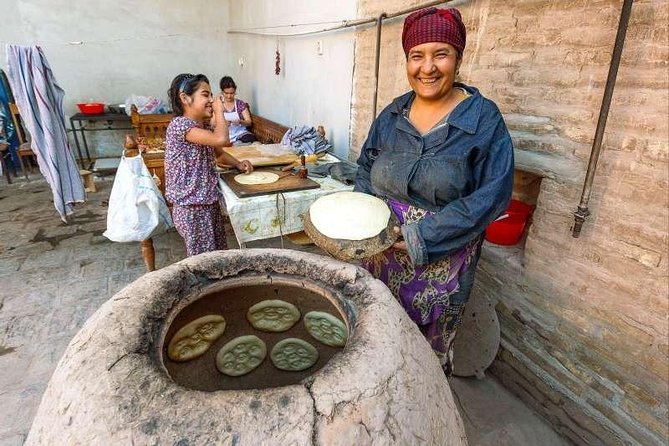
Khiva’s best souvenir may be edible. This short bread class gives you a hands-on look at Uzbek food culture, with time to shape dough, add flower designs, place your bread in the oven, and eat the finished loaf. I like the private format and the chance to make something yourself rather than simply watch a demonstration. I also like the modest $15 price, though the class can feel expensive if you expect a long lesson about bread or Uzbek cooking.
The activity lasts about 45 minutes and begins and ends at Tea House Mirza Boshi in Khiva. You will drink tea, use the baking equipment, wear protective clothing for the heat, and receive the bread you make. The main point is simple: this is a quick cultural activity, not a full cooking course.
In This Review
- Key details before you book
- What the 45-minute Khiva bread class is really like
- Flower patterns make the bread personal
- Working near the hot oven
- Tea House Mirza Boshi is a practical meeting point
- What you learn, and what may be missing
- Is $15 a fair price in Khiva?
- Who will enjoy this activity most?
- Useful booking and cancellation details
- Should you book the Khiva Uzbek bread class?
- FAQ
- How long does the Uzbek bread class last?
- Where does the class begin and end?
- What is included in the $15 price?
- Will I take part in baking the bread?
- Is this a private activity?
- Can I cancel for a full refund?
Key details before you book
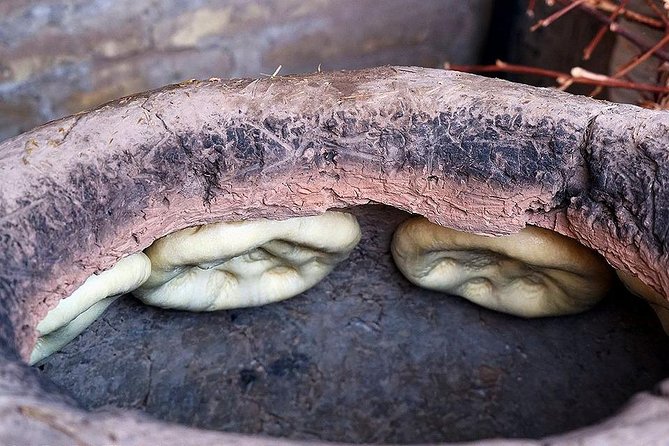
- You make and eat your own Uzbek bread: The finished bread is included, so the class ends with something warm and personal to enjoy.
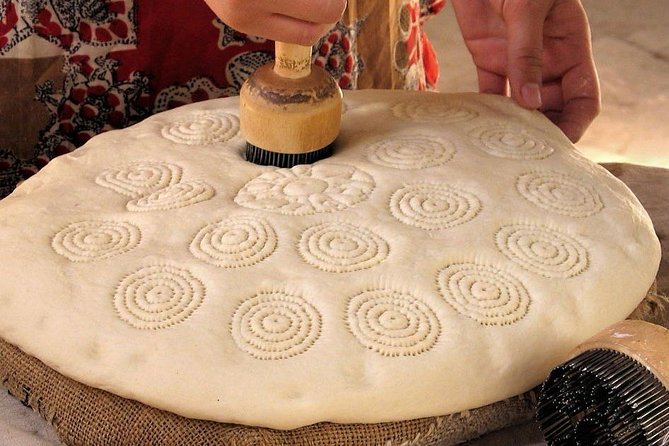
- Flower ornaments are part of the work: You will stamp or fill decorative patterns into the dough before baking.
- The hot oven is part of the experience: You will wear protective clothing before handling the bread near the bread maker.
- The class takes about 45 minutes: It fits neatly into a busy day in Khiva’s old city.
- Your group has the session to itself: This private format can make the activity more relaxed and easier to follow.
- Tea and equipment are included: You do not need to bring baking tools or pay extra for the basic class supplies.
What the 45-minute Khiva bread class is really like
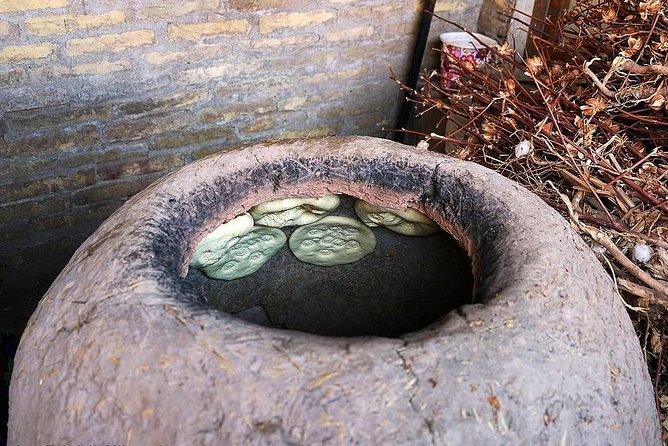
The activity starts at Tea House Mirza Boshi in Khiva, in the Xorazm Region of Uzbekistan. This gives the class a practical setting rather than a formal school kitchen. You meet the team there, receive the equipment, and begin learning how traditional Uzbek bread is prepared.
The exact order may vary, but the core work is clear. You prepare the bread, shape it, add decorative flower patterns, and help place it in the oven. The staff assists you throughout the process, which matters because bread making near a very hot oven is not a task you should handle without direction.
The activity description refers to protective clothing as the clothes of tankers. In practical terms, you should expect heat-protective clothing before you work near the oven. That small detail gives the session a more active feel. You are not standing safely behind a glass panel while someone else does everything.
The baking stage is the most unusual part. You will hang or place the bread in the bread maker, then wait for it to bake. The wording around the oven is not highly technical, so do not book this expecting a detailed lesson on temperatures, flour ratios, fermentation, or regional baking methods. The focus is on taking part and getting a tasty result.
At the end, you eat the bread you made. Tea is included as well. That closing snack gives the class a clear reward, and it keeps the activity from feeling like a craft session with no useful finish.
More craft masterclasses in Khiva:
- Master Class – Shivit Osh Traditional Food Of Khiva
★ 4.2 · 27 reviews - Master Class – Uzbek Bread in Khiva
★ 4.4 · 125 reviews - Tashkent: Cultural Exploration & Pottery Masterclass
★ 5.0 · 24 reviews
Flower patterns make the bread personal
Uzbek bread is not treated as plain filler for a meal. Its appearance matters, and this class lets you take part in that visual work. You will fill or stamp flower ornaments into your dough before it goes into the oven.
This is a small detail, but it makes the experience more memorable. Everyone in your private group can create a different pattern, and the bread becomes a souvenir you can actually eat. If you enjoy hands-on activities, this part will likely be more satisfying than a short talk followed by a sample.
The decorative stage also gives you a reason to slow down. Khiva can involve many hours of looking at tiled buildings, carved doors, minarets, and old walls. Those sights are important, but a quick food activity changes the rhythm of your day. You use your hands, make a choice about the design, and see the result soon afterward.
Do not expect a professional baking lesson. The available details point to a guided introduction, with the team helping you make the bread successfully. The class is best understood as a cultural activity with a baking task, not training for your own kitchen.
Working near the hot oven
The oven gives this class some character, but it also explains why the clothing and staff help are important. You will be prepared for the heat before taking part in the baking process. The team helps you make the bread tasty and handles the parts that require more care.
That support is useful for first-time bread makers. You do not need to arrive with baking experience, and the activity is designed around participation. Still, I would follow the staff’s instructions closely and avoid treating the oven as a photo prop. The practical side of bread baking is part of the lesson.
The short time limit works well here. Forty-five minutes is long enough to prepare and bake bread without taking over your day. It is also short enough for families, couples, and people who want one activity between sightseeing stops. The tradeoff is that there is little room for a long explanation of the oven or the wider baking tradition.
One important point is that the class seems to be connected to a working restaurant or tea house setting. A previous participant took the activity at a restaurant and saw some of the bread they helped make later served to customers. That possibility adds a nice sense of connection between the class and daily food service, but you should not assume every session will follow exactly the same sequence.
Tea House Mirza Boshi is a practical meeting point
You meet at Tea House Mirza Boshi, and the activity ends at the same place. That makes the logistics simple. There is no separate transport segment, no confusing end point, and no need to arrange your own way back after the bread is ready.
A fixed meeting point also makes this easy to add to a day in Khiva. You can plan the class around other old-city visits without setting aside half a day. Since the activity lasts approximately 45 minutes, check your own schedule carefully if you have timed entrance tickets or a meal reservation afterward.
The tea house setting suits the subject. Bread is not presented as an isolated museum object. You prepare it in a place where food and drink are already part of the setting, then enjoy tea with the result. That connection helps the class feel more grounded than a staged demonstration.
The activity is available as a private tour, so only your group participates. This is a real advantage if you want to ask questions, need the process explained slowly, or are traveling with children. It also removes the awkwardness of trying to work around a large crowd.
The private format does not automatically mean a longer or more detailed class. The stated duration remains about 45 minutes, and the quality of the explanation may depend on how much detail the team provides on the day.
More Cooking Classes in Khiva:
- Traditional Khiva Cooking Class with Market Visit & Lunch
★ 5.0 · 4 reviews - Samarkand: Village Tour with Plov Cooking Class & Home Visit
★ 5.0 · 29 reviews - Samarkand: Uzbek Cooking Class in a Village Home
★ 5.0 · 22 reviews - Cooking class in Samarkand with local life experience
★ 5.0 · 19 reviews
What you learn, and what may be missing
The strongest part of the class is learning by doing. You prepare the dough, decorate it, take part in baking, and eat what you made. For many people, that is enough. You leave with a direct memory of Uzbek food rather than only another set of photographs.
The weaker point is the amount of background information. One participant found the experience disappointing because there was little explanation of the bread or its history and felt the price was high for what was received. That criticism is worth taking seriously.
If you want the class to explain the place of bread in Uzbek family life, the meaning of the designs, the ingredients, or differences between regional loaves, you may need to ask questions yourself. The supplied details do not promise a long cultural talk, and the 45-minute format limits how much can be covered.
I would approach the session with a clear expectation: you are paying for an interactive activity, equipment, staff assistance, tea, and your bread. You are not paying for a full culinary seminar. With that in mind, the experience makes more sense.
The private setup may also help. Since the group is only yours, you can ask the team to explain the process or show you the decorative work again. Still, do not assume every question will receive a detailed historical answer. The safest plan is to enjoy the making and ask directly about anything you want to know.
Is $15 a fair price in Khiva?
The price is $15 per person. That includes tea, the use of baking equipment, and the bread you make. There are no listed extra charges for the basic supplies used during the class.
For a 45-minute activity, the cost is reasonable if you value the private setting and the hands-on work. You are not just receiving a piece of bread. You are taking part in its preparation, decoration, and baking, then eating the result. The personal element is what gives the price its value.
The cost is less convincing if you mainly want to taste Uzbek bread. You can likely find bread as part of a normal meal, while this class charges for the activity around it. If your interest is food culture, participation, and a break from monument visits, $15 is easier to justify.
I would also compare it with the rest of your Khiva schedule. If you have already booked several guided activities and your days are full, this class is a compact change of pace. If you are carefully controlling your spending, you may prefer to buy bread and tea separately and use the saved money elsewhere.
The mixed rating, 3.5 out of 5 from four ratings, reflects this difference in expectations. Some people found it short, fun, and informative. Another person felt it offered too little explanation for the cost. Neither view cancels the other. The class can be good value for the right visitor and poor value for someone expecting a detailed lesson.
Who will enjoy this activity most?
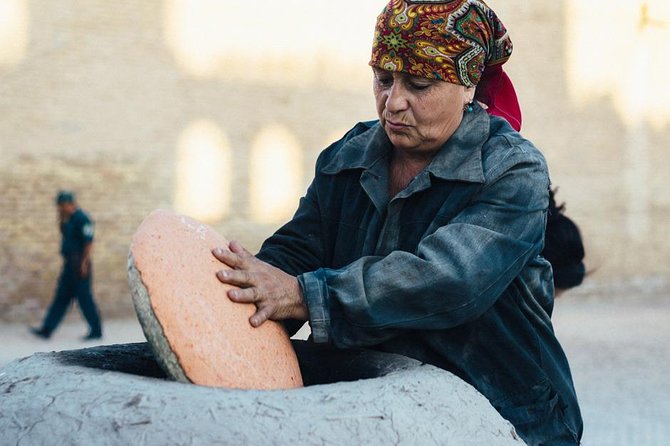
I would recommend the class to you if you like making things with your hands. It is also a good fit for families, couples, and small private groups who want an activity that does not demand a full morning.
It works especially well during a longer stay in Khiva. After several rounds of looking at architecture, a short baking class gives you a different way to connect with the city. You use local equipment, work with a familiar staple, and finish with food you helped prepare.
The class may suit children, but the hot oven requires close attention from adults. The supplied information does not give a minimum age, so parents should confirm any age concerns at booking.
Food-focused visitors should also consider it. You may not learn every detail about Uzbek bread, but you get to handle the dough, decorate it, watch it bake, and taste it. That sequence offers more contact with the food than a standard restaurant meal.
I would be more cautious if you want a serious cooking lesson. The class is short, and the description does not promise instruction about recipes, ingredients, kneading methods, baking temperatures, or how to repeat the process at home. Ask about the level of explanation before you commit if that is your main goal.
Useful booking and cancellation details
Confirmation is provided when you book, and the ticket is mobile, so you can keep the booking on your phone. The activity is private and returns to the starting point at Tea House Mirza Boshi.
Free cancellation is available if you cancel at least 24 hours before the start time. A cancellation made within 24 hours is not refunded, and changes inside that period are not accepted. The cut-off follows local time in Khiva, so check the clock carefully if your plans are changing close to the activity.
This class is booked an average of nine days ahead. That does not guarantee it will sell out, but it suggests that booking before your Khiva visit is sensible, especially if your schedule has little flexibility.
Should you book the Khiva Uzbek bread class?
Book it if you want a short, private, hands-on activity and like the idea of eating something you helped make. The flower decorations, protective clothing, oven work, tea, and fresh bread give the 45 minutes a clear shape. I especially like it as a break from sightseeing, when you want to do rather than simply look.
Think twice if you expect a detailed lesson about the history and meaning of Uzbek bread. The main weakness is the limited time and the possibility of light explanation. At $15, the experience is fair value when you judge it as a cultural activity, but it may feel overpriced if you see it as only a loaf of bread.
My practical advice is to book it for the activity, not just the food. Ask questions during the class, enjoy the private format, and keep your expectations focused on making, baking, and tasting. For that purpose, it offers a pleasant and memorable addition to a Khiva itinerary.
FAQ
How long does the Uzbek bread class last?
The activity lasts approximately 45 minutes.
Where does the class begin and end?
It begins at Tea House Mirza Boshi in Khiva, Xorazm Region, Uzbekistan, and ends back at the same meeting point.
What is included in the $15 price?
The price includes tea, use of the baking equipment, and the bread you make during the activity.
Will I take part in baking the bread?
Yes. You prepare the bread, add flower ornaments, and take part in placing it in the bread maker. Protective clothing is provided for the high temperature.
Is this a private activity?
Yes. Only your group participates in the activity.
Can I cancel for a full refund?
Yes, if you cancel at least 24 hours before the start time. Cancellations or changes made less than 24 hours before the start time are not refunded or accepted.
More Workshops in Khiva
- Private Samarkand Cooking Class with Market Tour & Transfers
★ 5.0 · 14 reviews - Cooking Class in the Village with Local Family in Samarkand
★ 5.0 · 11 reviews - Plov and Samsa Cooking Class in Tashkent
★ 4.3 · 6 reviews - Plov Cooking Class at Local Uzbek House
★ 5.0 · 5 reviews
Recently added around Khiva
- Khorezm Fortress and KyzylKum Desert Private Tour★ 5.0 · 3 reviews
- A Night In The Kyzylkum Desert [2] From Khiva★ 4.5 · 3 reviews
- Best of Khiva: Exclusive Private Tour!★ 5.0 · 3 reviews
- Khiva: City Highlights Guided Walking Tour★ 4.6 · 3 reviews
- Khiva: classic Half-Day Tour★ 3.7 · 3 reviews
- Uzbekistan 6 Days Private Tour Khiva-Bukhara-Samarkand by Train★ 5.0 · 4 reviews
- Traditional Khiva Cooking Class with Market Visit & Lunch★ 5.0 · 4 reviews
- Aral Sea – Extended trip (3 days)★ 5.0 · 5 reviews
Craft Masterclasses, compared.
Master Class – Shivit Osh Traditional Food Of Khiva
Read our review →
Uzbek Culture, Food, Crafts & Pottery Masterclass
Read our review →
Legends and Crafts: Suzani Masterclass & Cultural Immersion
Read our review →Browse the lists this tour appears in